
From a prompt to a printed gripper
Siemens showed an AI agent that turns a request in plain language into a printable gripper for a humanoid robot.
- Published
- 20 November 2026
- Reading time
- 2 min
- Topics
- AI, Healthcare, Consumer Goods, Industrials
- Written by
Bloom Partners Team
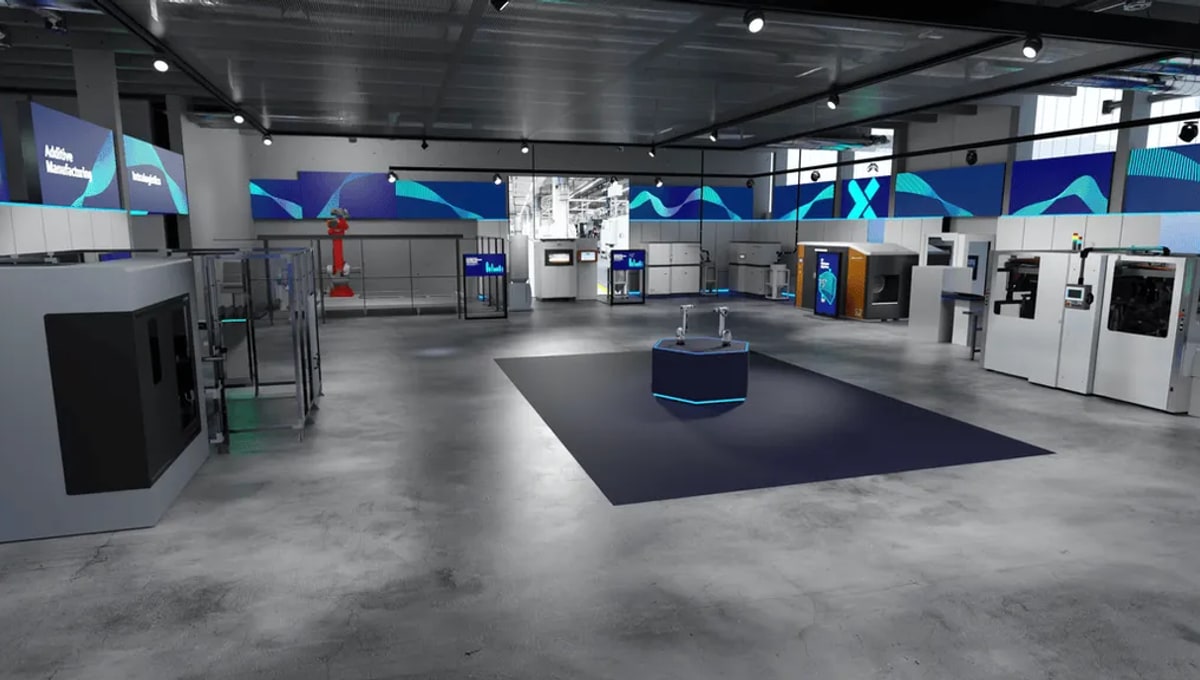
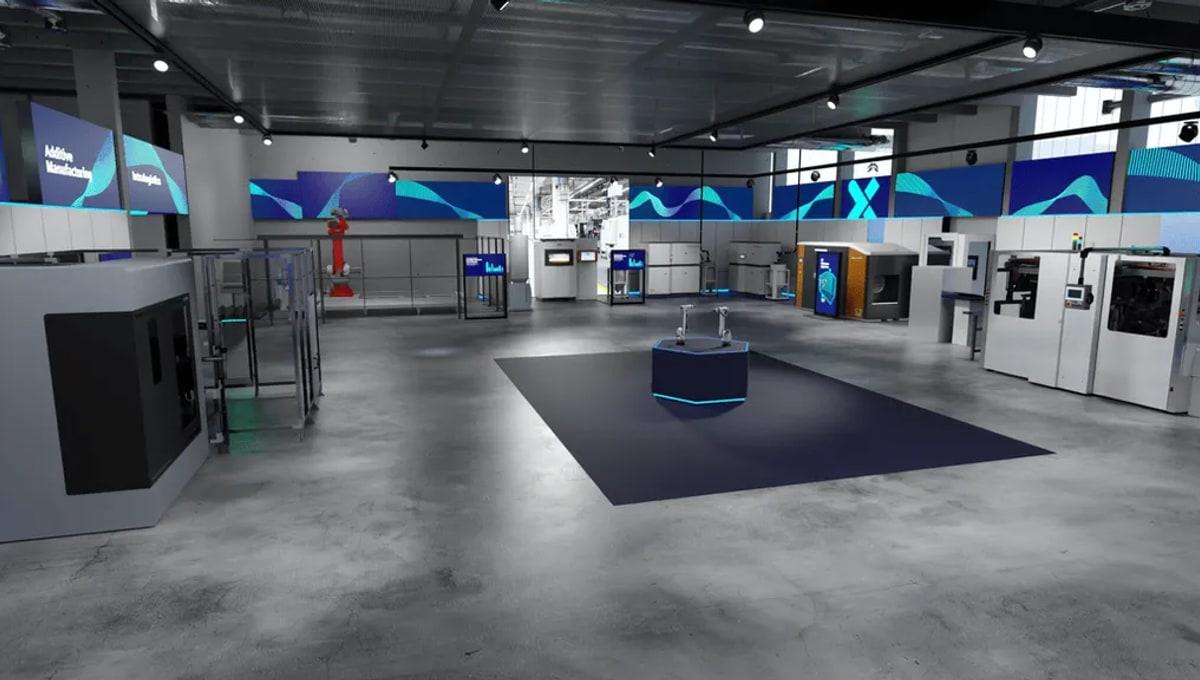
Siemens has built an agentic AI workflow that designs a gripper for a humanoid robot, developed with AGIBOT and on show this week at Formnext in Frankfurt. The user describes the object to be handled and the task. The agent then picks a gripper type, adapts the geometry in Siemens’ Designcenter software, simulates it, checks the robot interface and the handling, and prepares the data for additive manufacturing. It reaches the engineering software through MCP, an open standard that lets AI agents call functions in other programs.
- With EOS and AM Solutions, Siemens is setting up a production cell at its electronics factory in Erlangen that brings 3D printing, automation and post-processing into one process chain. The cell is still being planned, and no date has been given.
- Siemens has added Industrial AI to its AM I Navigator, which helps companies find and prioritise uses of AI in additive manufacturing, define pilot projects and plan how to scale them.
- Siemens puts no figure on the time saved. Designing variants by hand takes time, and quality, traceability, security and human responsibility remain requirements for industrial use.
The workflow sits on a growing business: in its fiscal 2026 results on 12 November, Siemens reported that revenue in its digital business grew 16% to €10.9 billion. In our view, the gripper matters less than the chain behind it. A request in plain language runs through the same design software, simulation and checks an engineer would use, and the printer can produce a one-off part without new tooling. Grippers, fixtures and other parts that come in many variants are familiar work in mid-sized manufacturers, and this is where such a chain could take time out of engineering. Whether it does depends on how well a company’s own design rules, materials and approval steps are written down, because an agent can only follow what it can read. For the Mittelstand, the first step is not buying an agent but naming the variant parts that get designed again and again, and deciding who signs off what the agent produces. (Siemens)
More insights
20 November 2026Article
A seat on the jury at Food ingredients Europe
Our founder Markus Pfeiffer was back on the jury of the Startup Challenge at Food ingredients Europe.
2 min read
20 November 2026Article
Agentic commercial, and what it means for Europe
AI agents could bring free text back into the pharma CRM.
2 min read
Don’t want to miss what comes next?
Bloom Bites brings the thinking behind our work to your inbox, usually before it turns into an article. One mail, no noise, unsubscribe in a click.