
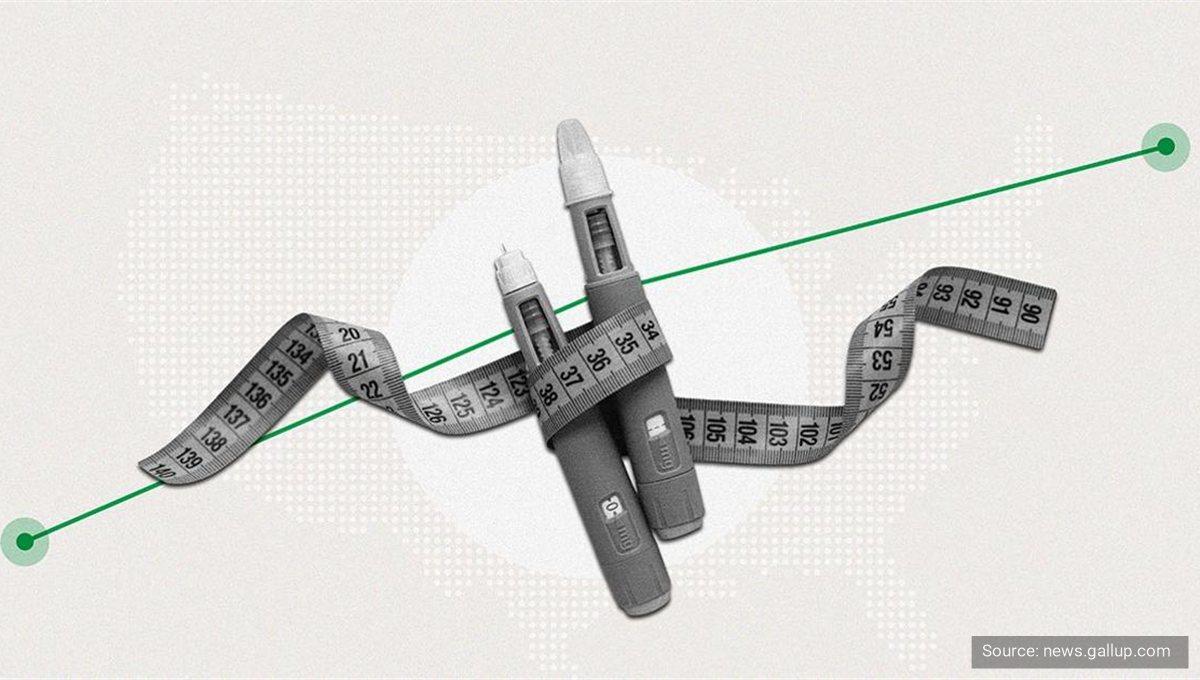
Competitive advantage around GLP-1 is being rebuilt
New Gallup polling shows GLP-1 use among US adults has surged to 11% this year, up from just 3% in 2024, and for the first time the national obesity rate has shown what researchers call a "meaningful" decline.
- Published
- 7 August 2026
- Reading time
- 1 min
- Topics
- AI, Consumer Health, Food & Beverage
- Written by
Bloom Partners Team
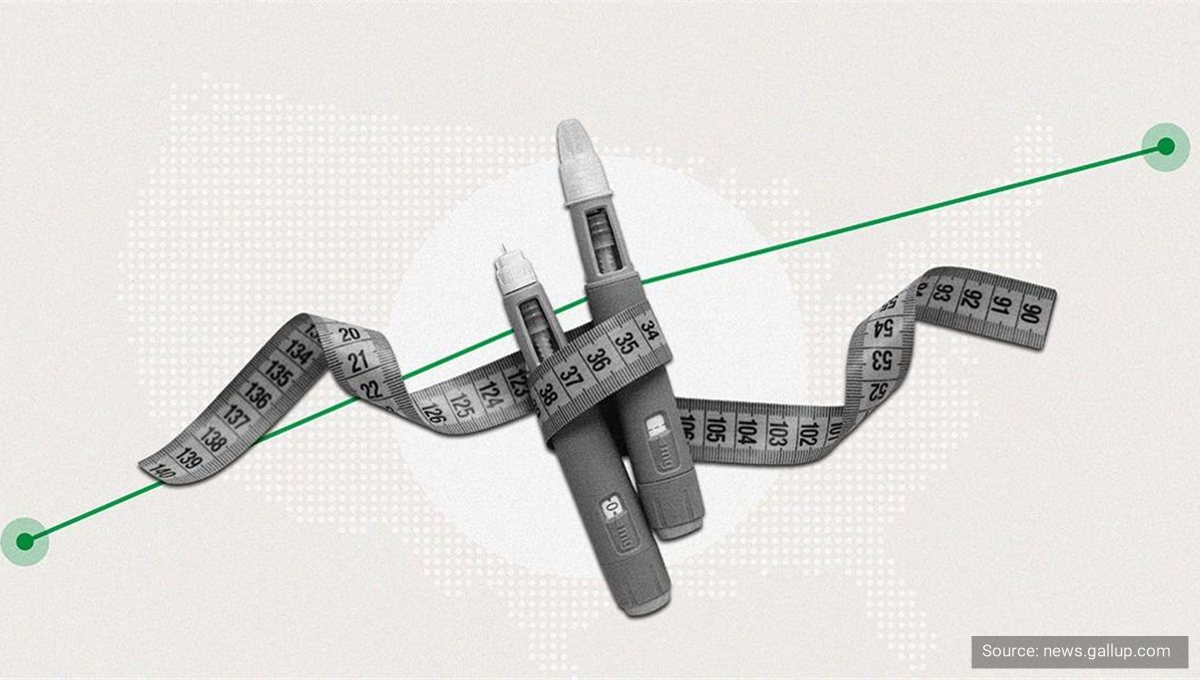
New Gallup polling shows GLP-1 use among US adults has surged to 11% this year, up from just 3% in 2024, and for the first time the national obesity rate has shown what researchers call a "meaningful" decline. At the same time, the picture is split sharply by payer. Medicare launched its GLP-1 Bridge on July 1, offering seniors access at a flat $50 monthly copay, while several major private plans dropped weight-loss GLP-1 coverage the very same week. A parallel JAMA Pediatrics study published July 20 shows GLP-1 use rising fast among adolescents and young adults too, even as bariatric surgery rates fall. The category is growing on both the demand side and the access-inequality side simultaneously. For consumer healthcare and pharma companies the question is no longer how many patients will use GLP-1s, but which companies will secure sustainable access to them. As public and private reimbursement diverge, commercial advantage will increasingly be determined by payer strategy, distribution models and patient support rather than efficacy alone. Competitive advantage will increasingly be built through payer partnerships, affordability models, patient support and integrated care pathways that determine who actually reaches patients at scale. ([(JAMA Pediatrics) + Gallup)
More insights
7 August 2026Article
FUTURE LEAD 2026: Leadership is becoming more human after all
Last week, together with Campus M University, we hosted the second edition of FUTURE LEAD in Munich, bringing together corporate leaders, entrepreneurs and academics to discuss one question: what does leadership look like in an AI-native world?
1 min read
7 August 2026Article
Wonder: from restaurant to software
The US-based restaurant group Wonder closed a Series D of more than $650 million in July at a $9 billion valuation, with Accel, GV and NEA returning alongside new backers AllianceBernstein, Cathie Wood's ARK Invest and Kayne Anderson.
1 min read
Don’t want to miss what comes next?
Bloom Bites brings the thinking behind our work to your inbox, usually before it turns into an article. One mail, no noise, unsubscribe in a click.