
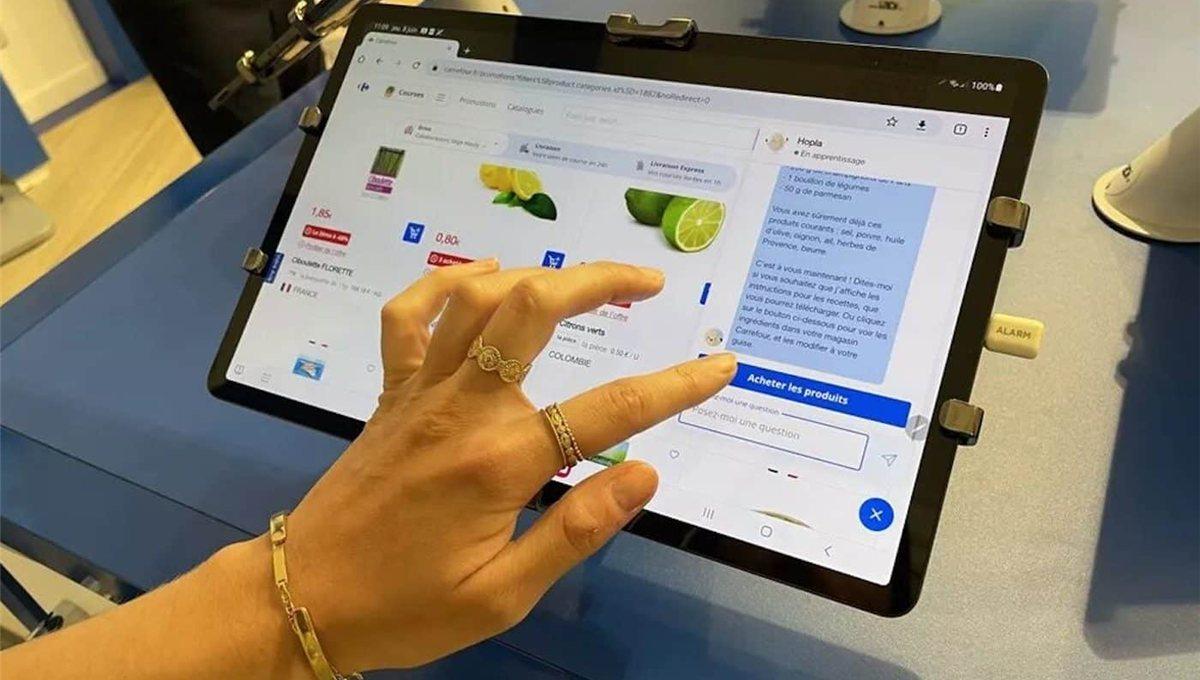
Agentic commerce has arrived in the grocery aisle, and it is changing what a shelf is
Albertsons is building a proprietary AI shopping assistant aimed at reducing the average shop from 46 minutes to four.
- Published
- 4 September 2026
- Reading time
- 1 min
- Topics
- AI, Consumer Health, Retail
- Written by
Bloom Partners Team
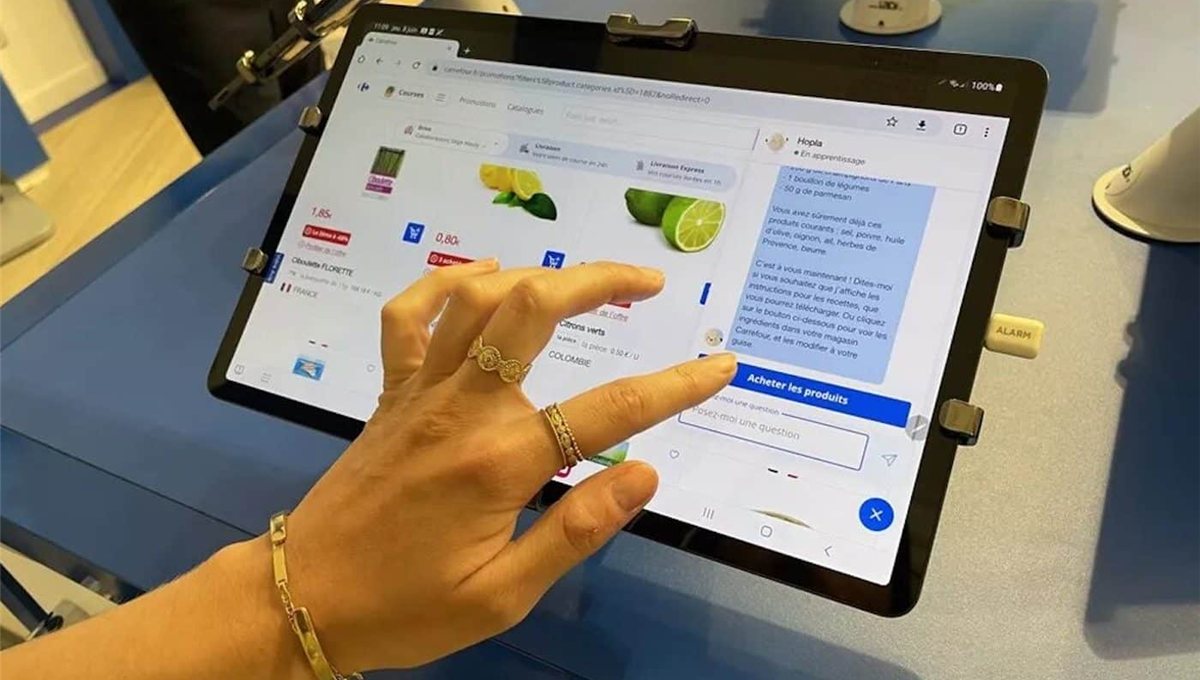
Albertsons is building a proprietary AI shopping assistant aimed at reducing the average shop from 46 minutes to four. Kroger has moved away from capital-heavy centralised robotic warehouses toward a Gemini-based assistant that plans weekly menus conversationally and builds a basket faster than search-based journeys; Carrefour opened a storefront inside ChatGPT in March, the first major European grocer to do so. Roughly 77% of consumers report having used AI to shop in the last six months, which makes this a description of current behaviour rather than a forecast. The metrics move with it. Sessions, bounce rate and cost-per-click do not capture agentic performance; found rate, position quality, catalogue completeness and citation rate in AI answers do. Based on our work with consumer clients, the uncomfortable implication is this: shelf position used to be negotiated with a buyer, and is now partly a function of how well your own product data is structured. That is a less appealing investment than a brand campaign, it sits with functions that have never had to defend a growth number, and it is probably the higher-returning of the two over the next three years. (Supermarket News)
More insights
4 September 2026Article
Nvidia is buying the place where open-source AI lives
Nvidia has reportedly agreed to buy Hugging Face for $12.9 billion, according to The Information, though Business Insider, which first reported the takeover interest, put the valuation above $13 billion and cautioned that no agreement had yet been signed.
1 min read
4 September 2026Article
P&G paid $3.8 billion for permission to speak clinically
P&G is acquiring Thorne from L Catterton for $3.8 billion, building out its Personal Health Care division alongside brands such as Metamucil, Align and New Chapter, in what is now a run of high-profile supplement acquisitions this year.
1 min read
Don’t want to miss what comes next?
Bloom Bites brings the thinking behind our work to your inbox, usually before it turns into an article. One mail, no noise, unsubscribe in a click.