
Nvidia buys the place where open-source AI lives
Nvidia buys the place where open-source AI lives, P&G pays $3.8 billion for permission to speak clinically, and agentic commerce arrives in the grocery aisle.
- Published
- 4 September 2026
- Reading time
- 11 min
- Topics
- AI, Consumer Health, Retail
- Written by
Bloom Partners Team
From our work
Our latest work, with the numbers and structural insights compact enough for your coffee brief.
Unlocking the GLP-1 Ecosystem: Germany has the clinical need of a major GLP-1 market. Pharma and ecosystem players have yet to respond at scale

Roughly 100,000 Germans are currently in treatment. Fifteen million live with obesity. Our new whitepaper, Unlocking the GLP-1 Ecosystem, argues that gap is not a demand problem. Over half of German adults have overweight and 19% have obesity; more than four million households are already using or considering treatment. What separates Germany from the UK and the US is access, not appetite: medicines prescribed primarily for weight loss sit outside statutory reimbursement under 34 SGB V, leaving most patients to self-fund at roughly 3,400 euros a year for Wegovy and almost 6,000 euros for Mounjaro. Germany is not a structurally weak GLP-1 market. It is a large market whose adoption curve has been delayed.
One number reframes the whole picture. The share of German GP practices prescribing approved anti-obesity medicines to patients without diabetes rose from 7% in 2019 to 93% in 2025, while the average practice still treated only thirteen patients. Broad awareness, shallow penetration. Our base case sees 3.2 to 4.0 million people in treatment and an 8 to 10 billion euro drug market by 2035.
And the drug market is the smaller number. We estimate 25 to 35 billion euros of annual economic value materially influenced in Germany by 2035, three to four times the pharmaceutical market itself, sitting in four distinct pools: therapy spend; care, adherence and health optimisation at 4 to 6 billion euros; consumer-basket reallocation at 4 to 7 billion euros as appetite and behaviour change; and, largest of all, 9 to 12 billion euros of healthcare, insurance and employer economics as complications are avoided, deferred or repriced. This is not a new category to enter. It is a redistribution of consumer spending, healthcare activity and financial risk around millions of people.
Which is why the most common response is also the most expensive one: we sell snacks, therefore we need a GLP-1 snack. That starts with the existing portfolio rather than with the transformation happening in the patient's life.
The paper maps six growth layers across a single patient journey, seven winning moves for pharma, and the reason none of them is optional: 157 clinical-stage obesity assets will not protect market share. The companies that own the patient experience will. If that patient is going to be yours rather than someone else's, it's worth the fifteen minutes. (146683042.hs-sites-eu1.com)
From the news desk
What is happening in the industries we work in, with a focus on the latest in AI.
Nvidia is buying the place where open-source AI lives
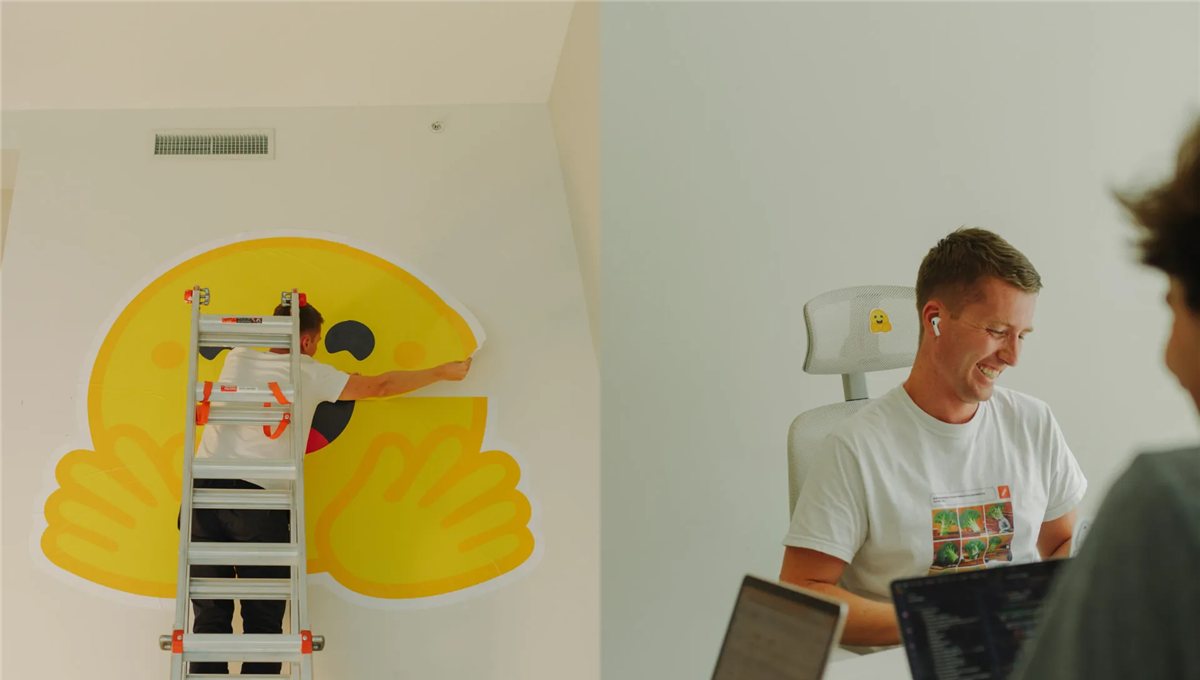
Nvidia has reportedly agreed to buy Hugging Face for $12.9 billion, according to The Information, though Business Insider, which first reported the takeover interest, put the valuation above $13 billion and cautioned that no agreement had yet been signed. The asset is not a model. It is a platform with around 13 million users, more than 2 million public models, over 500,000 public data sets and roughly 500,000 organisations: distribution, developer relationships, and control over an important route by which models reach production. The history makes the price more interesting than the number. Nvidia was among the investors in Hugging Face's $235 million 2023 Series D at a $4.5 billion valuation, and Hugging Face turned down a $500 million Nvidia investment late last year at a $7 billion valuation, saying it did not want a dominant investor able to sway its decisions. Our view is that this is a textbook move on a layer rather than a product. In a market where the thing being sold is commoditising fast, the defensible position is not the best version of the product, it is the place everyone has to pass through on the way to using it. The question we would put to any client watching this: in your own category, who owns that layer, and are you quietly renting access to it? (TechCrunch)
P&G paid $3.8 billion for permission to speak clinically
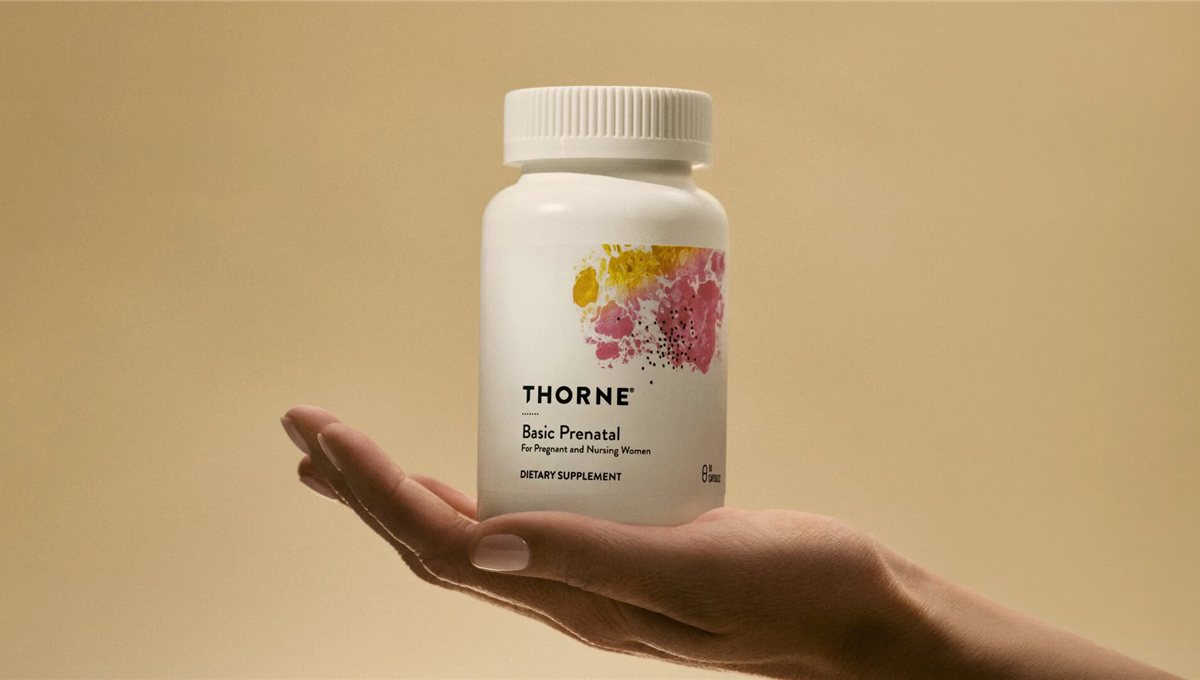
P&G is acquiring Thorne from L Catterton for $3.8 billion, building out its Personal Health Care division alongside brands such as Metamucil, Align and New Chapter, in what is now a run of high-profile supplement acquisitions this year. Read as a portfolio move, it is unremarkable. Read as a capability move, it is the more instructive deal of the month. Thorne is not a shelf brand awaiting distribution; it is a practitioner-channel business with clinical positioning, and it has already built GLP-1-specific supplement protocols targeting lean mass, protein intake and micronutrient gaps, the specialist model we describe in this week's whitepaper. That is the point. Rapid weight reduction creates genuinely new physiological needs around muscle preservation, nutrient density and hydration, and credibility in that conversation cannot be manufactured with a claim on a pack. It is either acquired or earned slowly, over years. Most large consumer-health portfolios currently have neither, and the window in which credibility can still be bought at this price is closing. (Nutritional Outlook)
The silver economy is finally being designed for, rather than at

The global market for products and services aimed at people aged 60 and over is now put at $4.2 trillion, with AgeTech at $279 billion cutting across all of it. What has been missing is product that treats those customers as customers. Last week produced a good example. Fitbit co-founders James Park and Eric Friedman launched Luffu Link, an LTE health-and-safety band at $250 on preorder and $300 at retail, shipping in early 2027, built out of their own experience caring for aging parents. It logs medications, symptoms, meals and mood by voice at the press of a button, shares location with trusted contacts, and can send a help request with no phone nearby. Park's framing is the sharp part: family caregivers spend an average of over 27 hours a week on the job with fragmented tools, and the product's purpose is not another dashboard of graphs but answering what changed, whether it matters, and whether somebody needs to know. It is deliberately screenless and takes its cues from jewellery rather than from bulky emergency pendants, which is why so much of this category has been bought once and abandoned. The commercial insight is the split underneath: the buyer and the user here are different people, and the products that win serve both without making the user feel supervised. Very few incumbents in health, insurance or consumer electronics have designed for that. (TechCrunch)
Agentic commerce has arrived in the grocery aisle, and it is changing what a shelf is
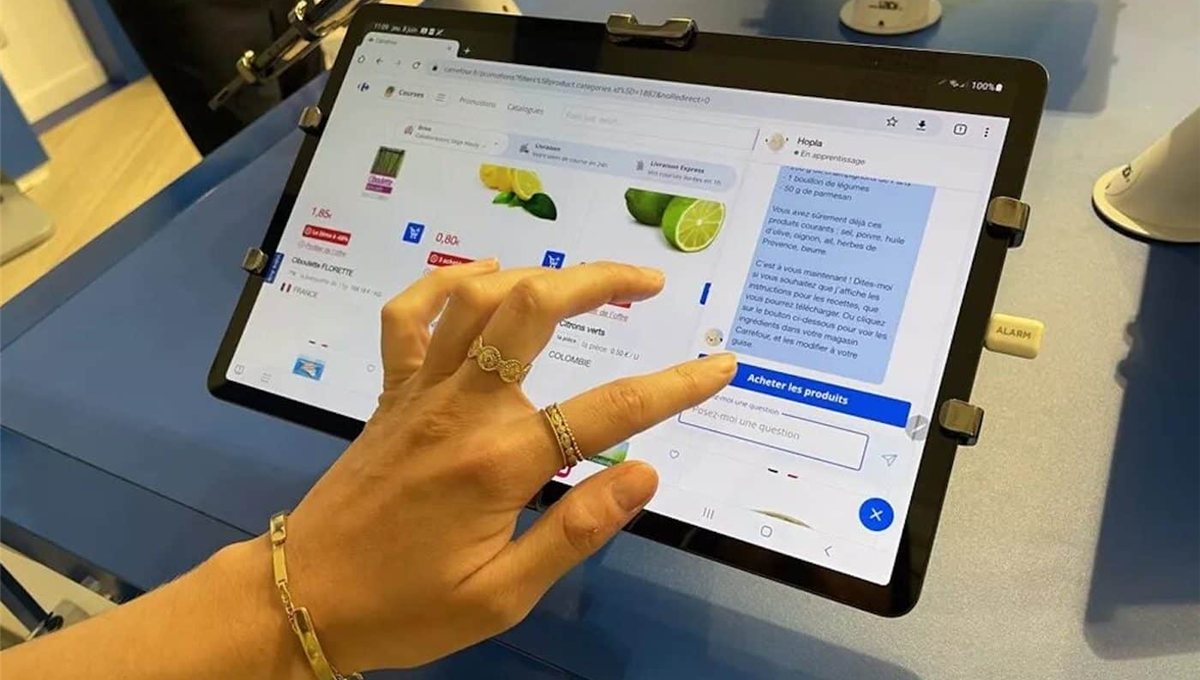
Albertsons is building a proprietary AI shopping assistant aimed at reducing the average shop from 46 minutes to four. Kroger has moved away from capital-heavy centralised robotic warehouses toward a Gemini-based assistant that plans weekly menus conversationally and builds a basket faster than search-based journeys; Carrefour opened a storefront inside ChatGPT in March, the first major European grocer to do so. Roughly 77% of consumers report having used AI to shop in the last six months, which makes this a description of current behaviour rather than a forecast. The metrics move with it. Sessions, bounce rate and cost-per-click do not capture agentic performance; found rate, position quality, catalogue completeness and citation rate in AI answers do. Based on our work with consumer clients, the uncomfortable implication is this: shelf position used to be negotiated with a buyer, and is now partly a function of how well your own product data is structured. That is a less appealing investment than a brand campaign, it sits with functions that have never had to defend a growth number, and it is probably the higher-returning of the two over the next three years. (Supermarket News)
Luxury's recovery is real. It is also very narrow
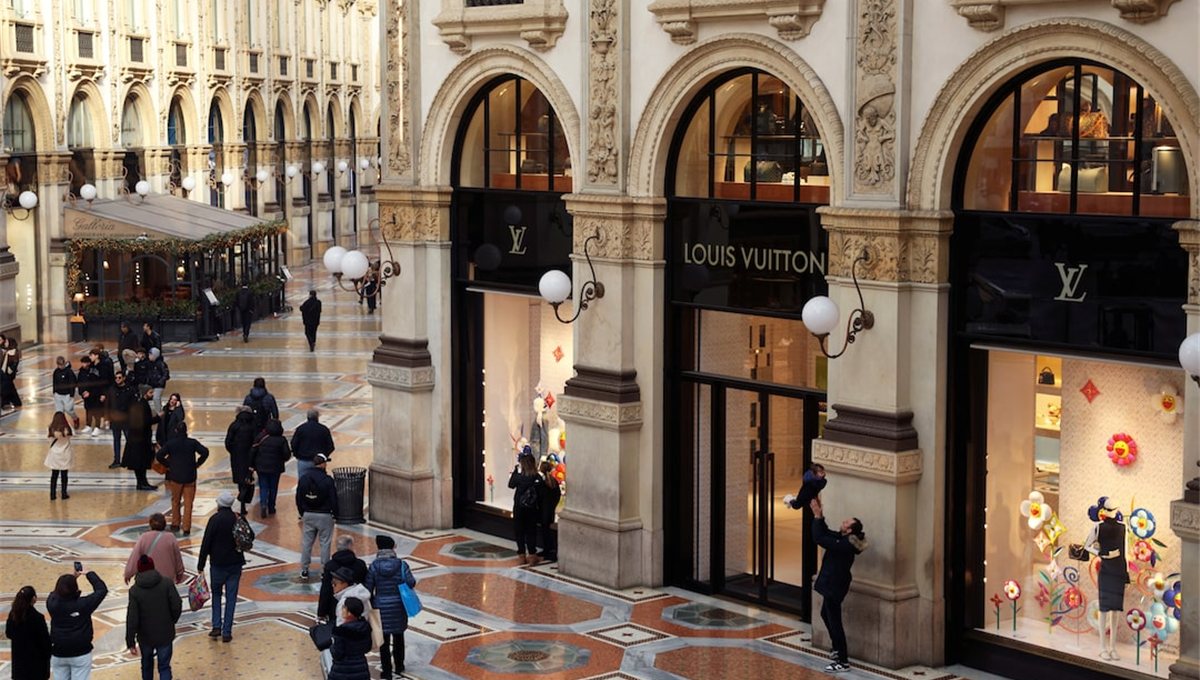
Kering posted second-quarter revenue of 3.652 billion euros, up 2% like-for-like, its first positive quarter after twelve quarters of decline, though Gucci remained slightly negative. LVMH's 19.52 billion euros showed 3% organic growth, with Fashion & Leather Goods returning to +1% after seven consecutive quarters of decline, while the recurring operating margin sat at 22.5% amid sluggish Chinese demand and pricing pressure across the aspirational segment. Hermes grew 6% at constant rates in the first half. At the very top, the pattern is clearer still: Brunello Cucinelli raised its full-year growth forecast to 10 to 11% on sustained full-price demand, which the company attributes to controlled distribution and limited exposure to aspirational consumers. Underneath the numbers, a structural clear-out is under way: LVMH sold Marc Jacobs to a WHP Global and G-III joint venture, and Kering sold its entire beauty division to L'Oreal for 4 billion euros. A recovery that arrives at the top and at the value end but not in the middle is not a recovery; it is a bifurcation. The aspirational consumer was never really a segment. It was an assumption that people on the way up would keep trading up. When that assumption breaks, brands built on it have to decide which customer they are actually for. Cucinelli's outperformance is not a story about craftsmanship. It is a story about never having taken the middle in the first place. (Glossy)
Into the weekend
A digestible curation of what currently has our attention, and what we make of it.

Gen Z has favourite brands. Almost none of them sell groceries
The UK top five for Gen Z brand momentum: Dr. Martens, Lush Cosmetics, Glossier, BrewDog, Adidas. The US top five: Nike, Apple, Adidas, Glossier, Patagonia. Only two brands appear on both lists, which alone should give any global Gen Z strategy pause. But the more uncomfortable finding is what is missing: fewer than 8% of top Gen Z brand conversations last year mentioned automotive, fast food, FMCG or financial services, while fashion, beauty, sportswear and tech dominate the cultural conversation. The brands rising fastest show up across more than one kind of conversation, product, launch and community, rather than owning one and vanishing from the rest. It is worth sitting with the possibility that this is not a marketing problem to be solved with better creative, but a signal about which categories young consumers currently regard as worth having an opinion about at all. (Basis Global)
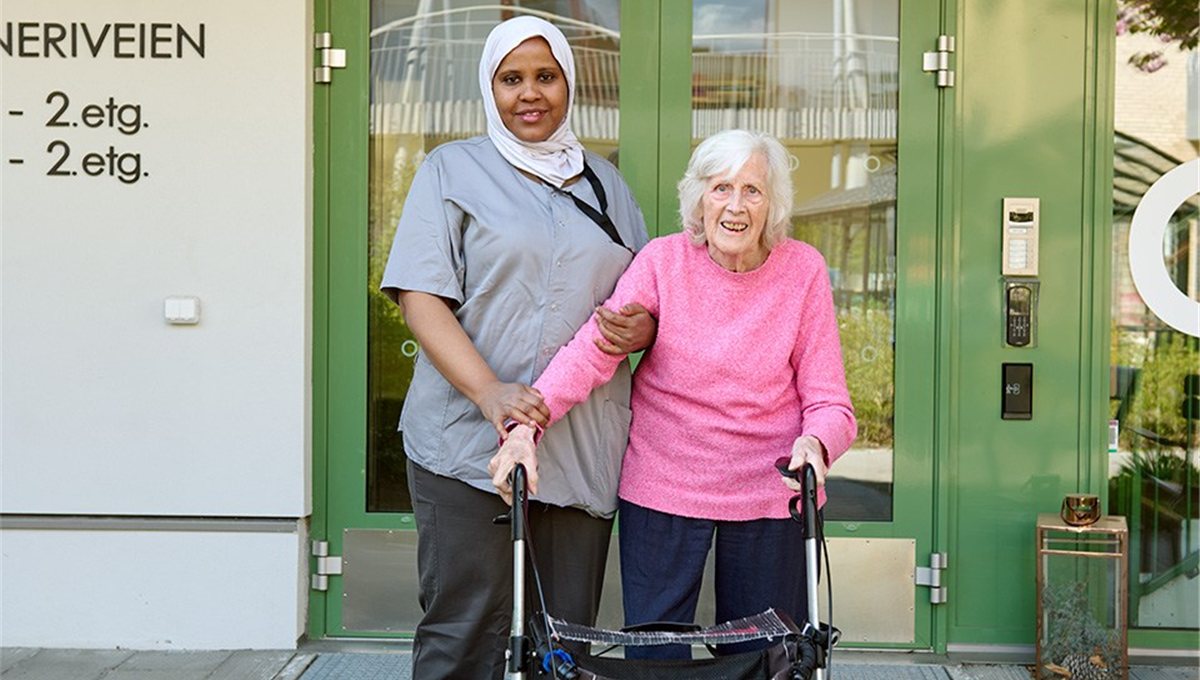
A village outside Oslo where the pub is part of the treatment
Monocle's September issue visits Carpe Diem in Baerum, Norway's first dementia village, which opened a decade after the country's 2015 Dementia Plan called for communities in which people with dementia remain integrated in wider society rather than confined to wards. The site runs to 18,000 square metres of wooden-clad buildings holding 158 bedrooms across 17 apartments arranged around a garden square: no sterile corridors, but individually designed and brightly coloured units, with paving stones laid to support intuitive wayfinding. There is a pub, a hairdresser, a supermarket, a gym, a tiki bar and a boat workshop for the village's many former seafarers. The detail worth borrowing is the payment: haircuts and pints are paid for with a card preloaded by a resident's family, so residents buy things rather than receive favours from staff. Textured walls, carpets and paving let hands, eyes and feet remember a route when the mind no longer can, because with dementia the senses are the last thing to go. Residents cover most of their own board, with state pension typically funding 75 to 85% of the bill, and while Norway's system may limit how far the model travels, longer-living residents and less carer burnout have already shifted how policymakers think. Nearly 10 million new dementia cases are diagnosed each year, a figure expected to triple by 2050. (Monocle)

And finally: fibre has caught up with protein
Mintel's 2026 food and drink predictions argue that protein and fibre are going mainstream together as accessible, easy-to-understand essentials, and that heightened consumer knowledge of gut health, plus the much-publicised link between GLP-1 drugs and digestive health, is pushing fibre-maxxing out of the shadow of protein-maxxing. The historical caution in the same analysis is the useful bit: maxxing anything is the phase, not the destination. Fat-free in the 1980s and carb-free in the 2000s both show how dietary patterns move from fixation to moderation, and Mintel expects that shift from around 2030. Which is roughly the length of a product development cycle. Worth knowing which side of it your pipeline is on. (Mintel)
More insights
23 October 2026Newsletter
Edition 07: gaming is bigger than its category
Our new whitepaper on why gaming is bigger than its category, Whole Foods names the food trends for 2027, and a Munich robot maker passes $1bn.
13 min read
23 October 2026Whitepaper
The Gaming Growth Layer
Gaming has become one of the largest digital behaviours in society. Most brands outside the industry still treat it as a niche.
1 min read
Don’t want to miss what comes next?
Bloom Bites brings the thinking behind our work to your inbox, usually before it turns into an article. One mail, no noise, unsubscribe in a click.