
AI moves upstream in consumer goods, the way it did in pharma
Almost all of the AI spending in consumer goods sits on the demand side: who buys, what they say, how they shop, how the shelf answers.
- Published
- 18 September 2026
- Reading time
- 1 min
- Topics
- AI, Consumer Health, Food & Beverage
- Written by
Bloom Partners Team
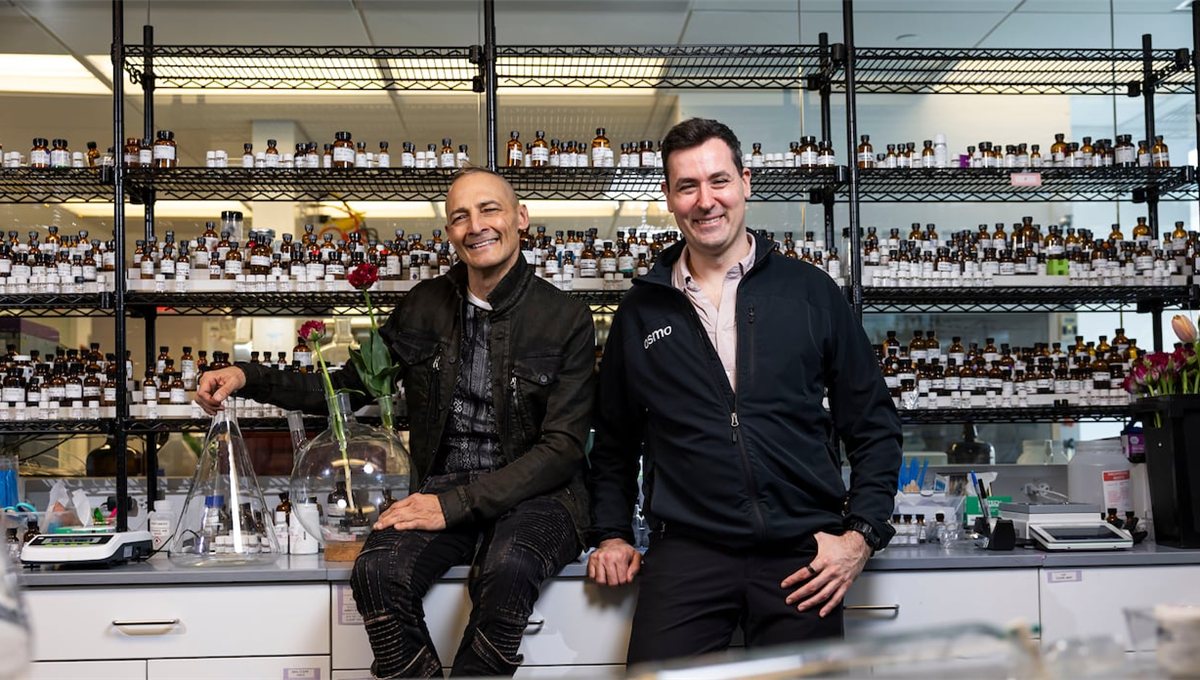
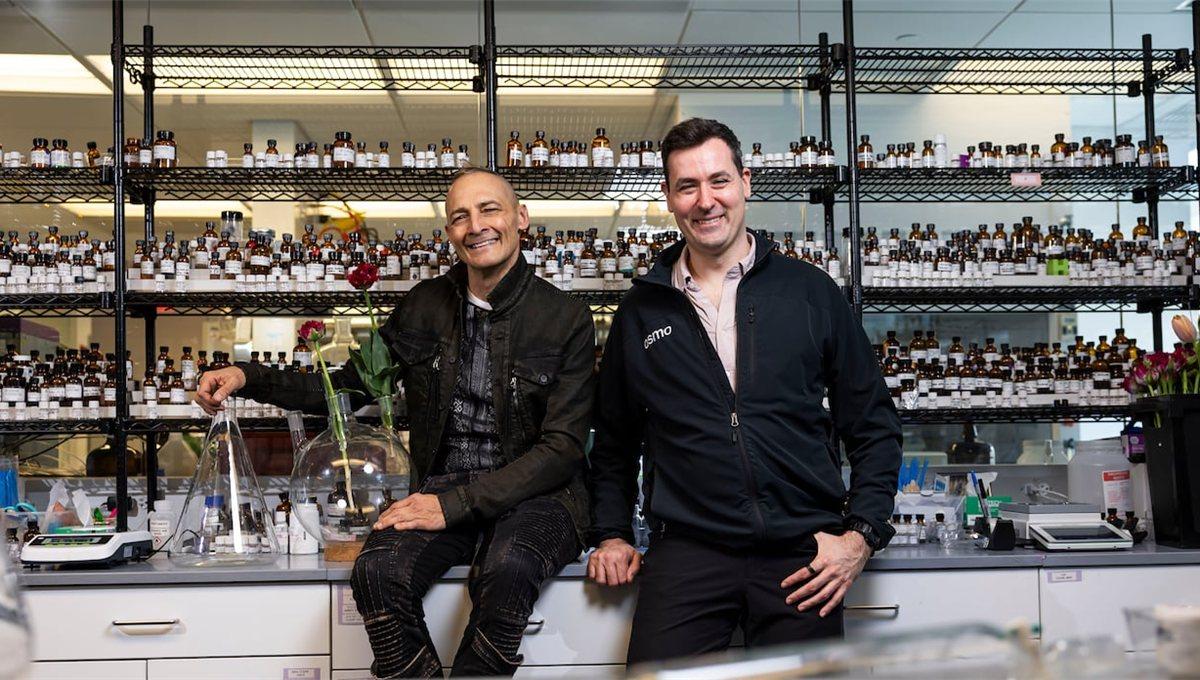
Almost all of the AI spending in consumer goods sits on the demand side: who buys, what they say, how they shop, how the shelf answers. A much smaller line of work sits on the other side of the product, in research and development, where the output is a molecule and a formula rather than a recommendation. Fragrance is where that has come furthest. Osmo, a Google Brain spin-out founded in 2022 by the olfactory neuroscientist Alex Wiltschko, digitises smell using gas chromatography, mass spectrometry and its own models, and designs scent molecules that did not exist before. It raised a $70m Series B in February led by Two Sigma Ventures, and the early customers show how far one capability reaches: a clean beauty label for fragrance, and StockX to tell a counterfeit sneaker from a real one by smell. Three master perfumers still work alongside the models. Two things make this shape worth watching. It changes what the product is rather than how it is sold. And it sits at the same point in the value chain where pharma put its AI money. Discovery is where a model is asked to design a molecule that does a particular job, and that is exactly the work here, with a scent molecule instead of a drug one. Our reading is that consumer goods has so far bought AI almost entirely at the commercial end, and that the part of the pharma playbook worth copying is the one furthest upstream. (Trellis)
More insights
18 September 2026Article
Bits & Aperitivo: Human After All, on a Munich rooftop
Not everything we work on arrives as a document.
1 min read
18 September 2026Article
Barilla buys Goodles to defend a category it already owns
Barilla agreed on 2 September to acquire Goodles, the Santa Cruz better-for-you mac and cheese brand, for an undisclosed sum.
1 min read
Don’t want to miss what comes next?
Bloom Bites brings the thinking behind our work to your inbox, usually before it turns into an article. One mail, no noise, unsubscribe in a click.