
Barilla buys Goodles to defend a category it owns
Barilla buys Goodles, Novo signs a fourth AI partner without naming a number, and the interesting AI money in consumer goods moves from the shopper to the molecule.
- Published
- 18 September 2026
- Reading time
- 10 min
- Topics
- AI, Consumer Health, Food & Beverage
- Written by
Bloom Partners Team
From our work
Our latest work, with the numbers and structural insights compact enough for your coffee brief.
Bits & Aperitivo: Human After All, on a Munich rooftop
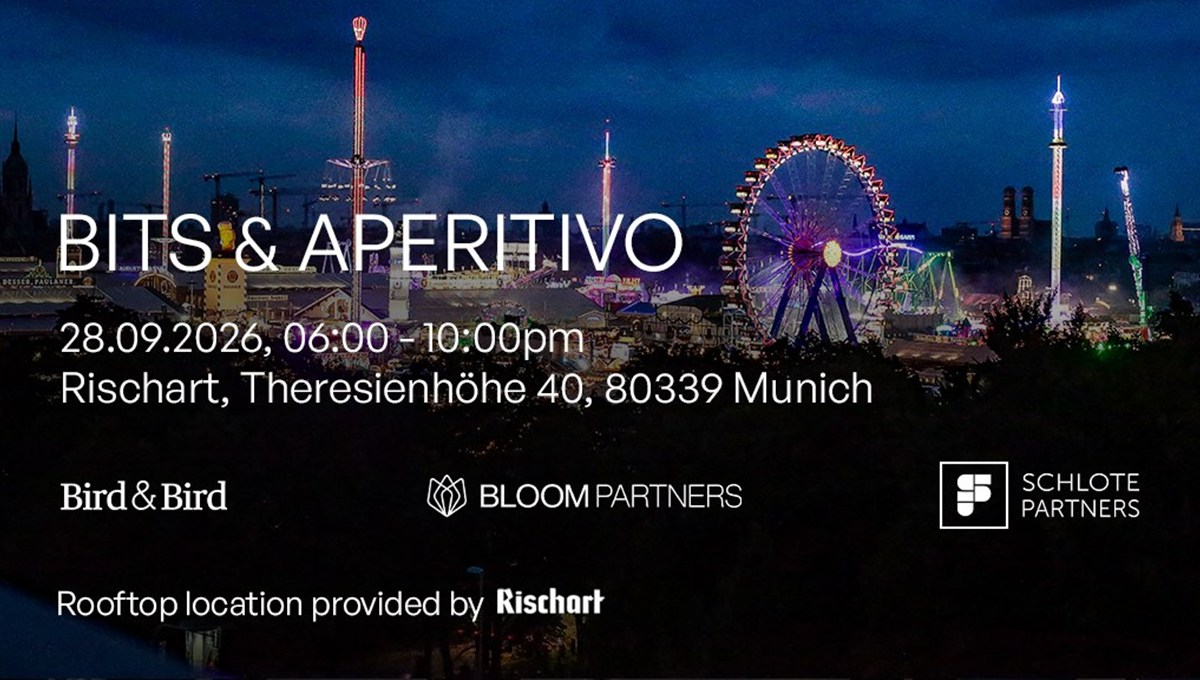
Not everything we work on arrives as a document. Bits & Aperitivo is our own evening, hosted with Bird & Bird and Schlote Partners, as the side event to Bits & Pretzels. Founders, investors, corporate leaders and innovators from across Europe, on a rooftop above the Theresienwiese, for the kind of conversation a conference floor never quite allows.
Bits & Pretzels runs this year under the motto Human After All, and we have built the evening around that one question from two directions. Gregor Kolls, co-founder and chief executive of the Munich robotics company Filics, takes the technologist’s view of how technology is changing our role. Professor Florian Ringel, director of the department of neurosurgery at LMU Klinikum, takes the medical one on what makes us thinking beings in the first place. Nicole Ebner, head of robo.innovate at the TUM Venture Lab Robotics and AI, hosts the evening and holds the two together.
28 September, six to ten in the evening, at Rischart on Theresienhoehe. The room is deliberately small and a few seats are still open. (twobirds.eventogy.com)
From the news desk
What is happening in the industries we work in, with a focus on the latest in AI.
Barilla buys Goodles to defend a category it already owns
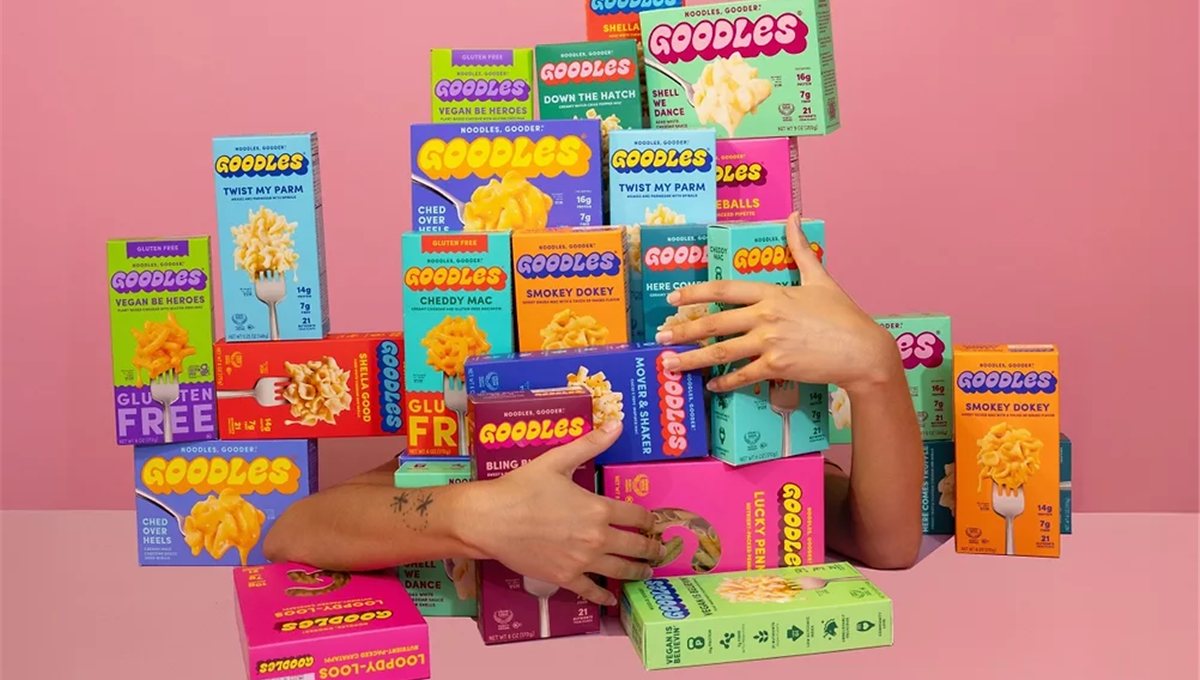
Barilla agreed on 2 September to acquire Goodles, the Santa Cruz better-for-you mac and cheese brand, for an undisclosed sum. The structure is unusually hands-off for a large food group, as The Shelby Report set out: all 73 employees stay, the Santa Cruz headquarters stays, and product, recipes, suppliers and marketing stay with the brand under co-founder and chief executive Jen Zeszut, while Barilla brings manufacturing scale and a route into markets outside the US. Zeszut puts it plainly in the announcement, that more than 90% of people in the US have never tried Goodles, which is the growth case in a single line. The logic is not category expansion, because Barilla already owns pasta. What it is buying is occasion relevance, since Goodles has done the work of making mac and cheese acceptable to health-conscious parents, and that kind of permission is not something an incumbent brand can grant itself. We read it as the clearest version yet of the pattern in consumer dealmaking this year. Incumbents are buying the format-native challengers that defend the categories they already dominate, rather than the ones that would take them somewhere new. (The Shelby Report)
Novo and Anthropic describe the same deal on two scales
Novo, which dropped the Nordisk from its name on 14 September, said two days later that it will work with Anthropic on drug discovery, putting Claude Science into scientific reasoning for research and development and into agentic software engineering. It starts in selected R&D workflows, and the announcement names data governance and human oversight alongside the capability rather than in a footnote at the end. What stands out is that the two chief executives describe the same agreement on entirely different scales. Novo's Mike Doustdar says AI can “increase productivity in R&D and compress the path from research to marketed product”, and calls the partnership a testament to the ambition “to become the world's most AI-driven healthcare company”. Anthropic's Dario Amodei says AI has the potential to “compress a century's worth of biological and medical breakthroughs into a decade”. One is an operating claim with a workflow attached to it, the other is a claim about the field. Our reading is that this gap is there to be managed rather than resolved. Partnerships of this kind carry two promises, and the one that gets measured afterwards is almost always the narrower one. (Novo)
Salesforce goes shopping for the research function
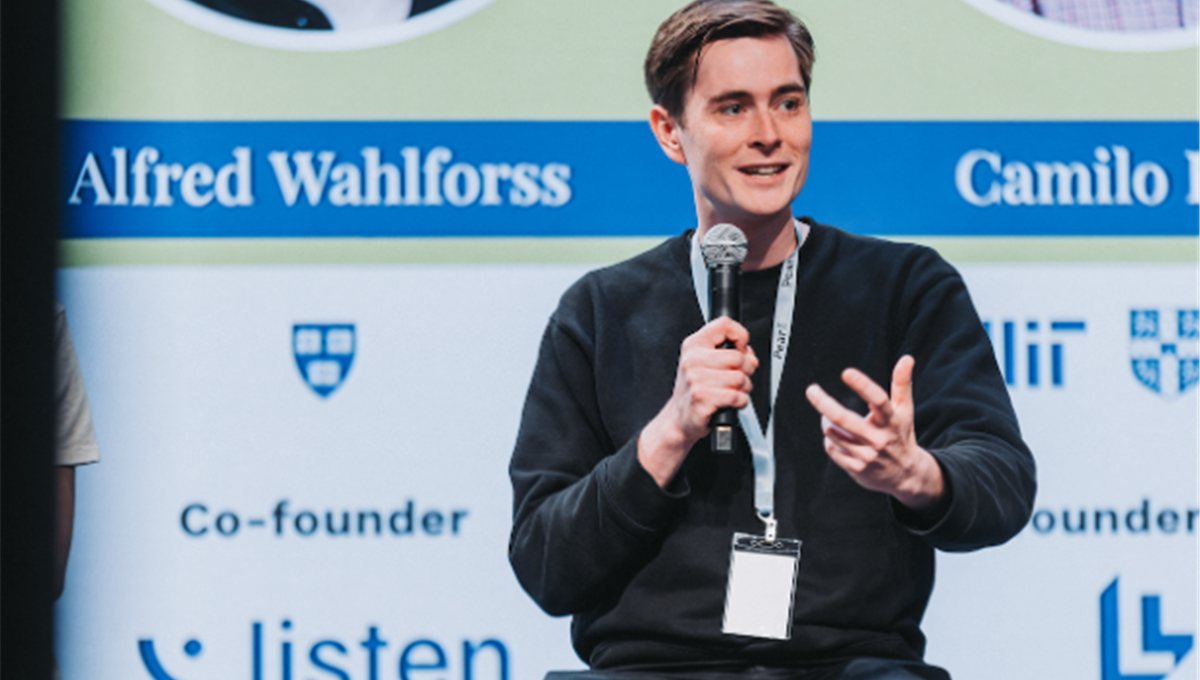
TechCrunch reported on 9 September, after Business Insider first carried the story, that Salesforce is in talks to acquire Listen Labs, an AI customer-research platform, for around $2 billion. The talks are not finalised and may not end in a deal, but the price is the interesting part: Listen Labs was valued at $500 million when it closed a $69 million Series B in late January, and it walked away from a signed $125 million Series C term sheet at $1.5 billion to have this conversation instead. The product replaces the human moderator. Its AI writes the study, recruits from a participant panel, runs audio and video interviews and turns them into reports and decks. Customers include Microsoft, Canva, Sweetgreen and Anthropic, which by Listen Labs' own account now runs 100 research studies in the time it used to manage five or six. For Salesforce the logic is tidy, since it already owns the record of what customers do and this is the layer that explains why. We are more interested in what it does to the discipline. Run badly, research at machine speed produces noise faster. Run well, it stops being a slow input that arrives after the decision has been taken, which makes the function more valuable than it has been in years for the teams that get the methodology right. (TechCrunch)
Oura's filing puts a number on the longevity trade
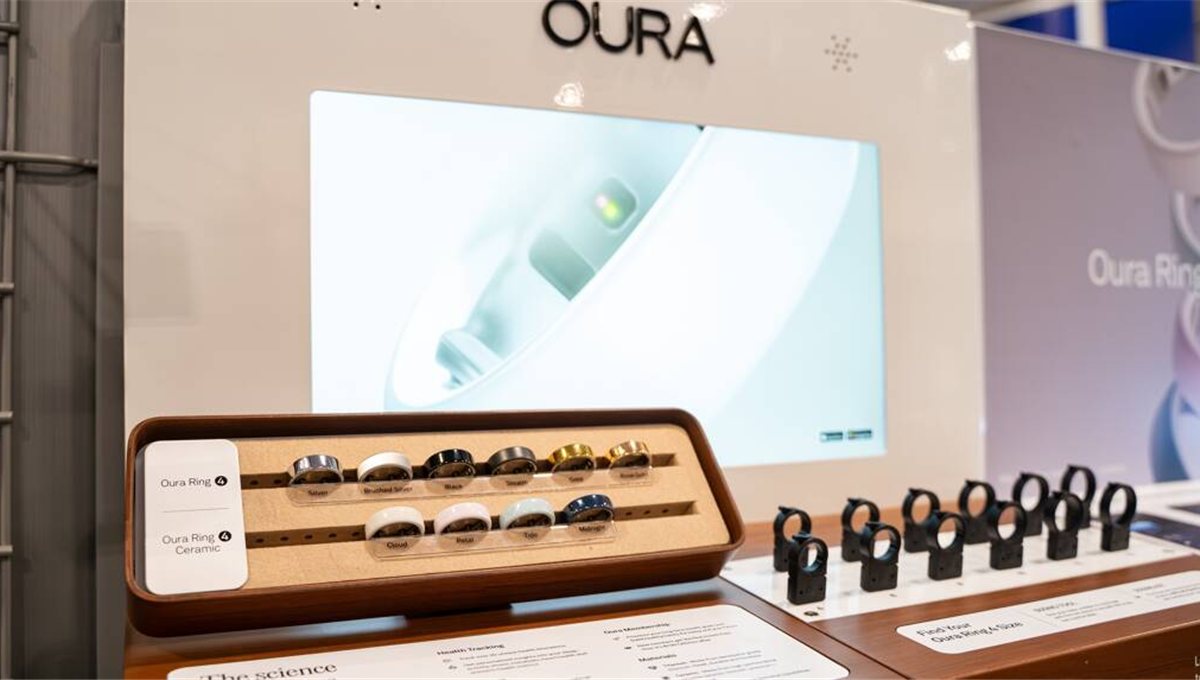
Oura filed its S-1 with the SEC on 3 September for a Nasdaq listing under the ticker OURA. The filing shows revenue of $1.21 billion for the nine months to 30 June, up 74% year on year, net income of $60.8 million and 5.0 million paid members, an unusually profitable position for a hardware company at this stage, while Bloomberg reported the offering is aiming at a valuation above $16 billion against roughly $11 billion at its Series E a year ago. The valuation logic rests on reframing what Oura is. A ring plus a $5.99 monthly membership reads as hardware, while the filing argues for a health-data business whose moat is the record rather than the device, nearly 42 billion hours of longitudinal first-party biometric data from something people wear more or less continuously. Writing on 11 September, Scott Galloway called Oura one of the few ways a retail investor can play the fragmented $7 trillion health and wellness market, and read the ring as an old instinct sold back as a subscription, the fear of mortality. That is the part we would underline. Longevity has been a cultural obsession for years without ever being a position anyone could take. (Oura S-1)
AI moves upstream in consumer goods, the way it did in pharma
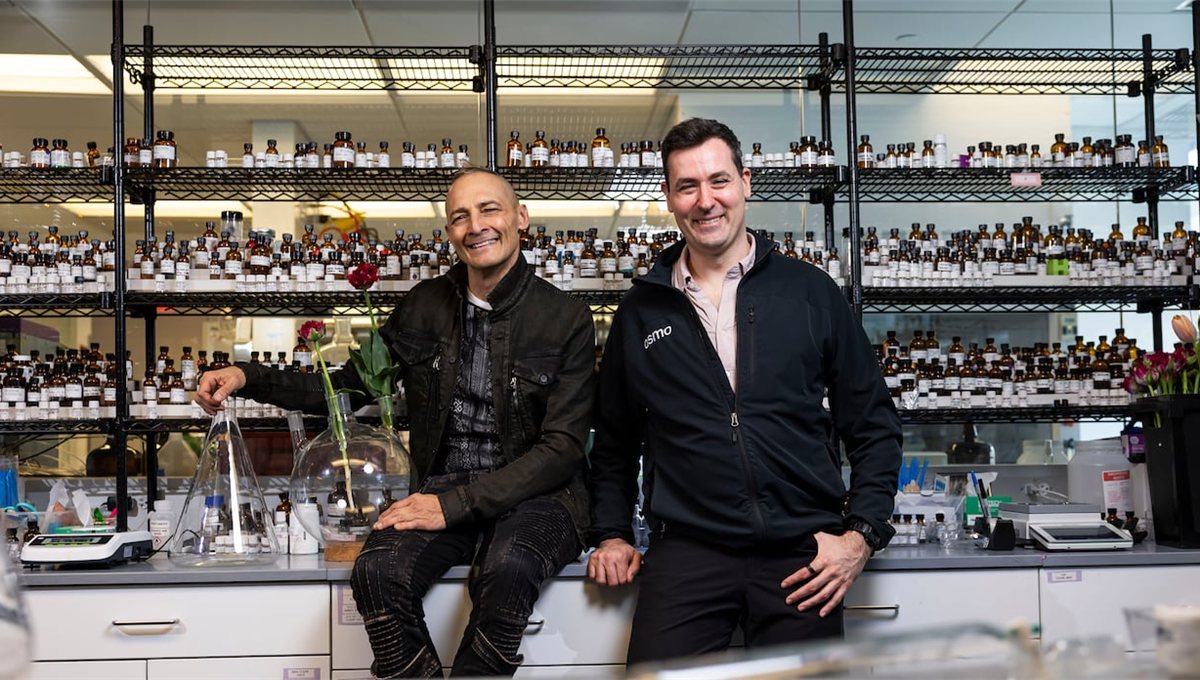
Almost all of the AI spending in consumer goods sits on the demand side: who buys, what they say, how they shop, how the shelf answers. A much smaller line of work sits on the other side of the product, in research and development, where the output is a molecule and a formula rather than a recommendation. Fragrance is where that has come furthest. Osmo, a Google Brain spin-out founded in 2022 by the olfactory neuroscientist Alex Wiltschko, digitises smell using gas chromatography, mass spectrometry and its own models, and designs scent molecules that did not exist before. It raised a $70m Series B in February led by Two Sigma Ventures, and the early customers show how far one capability reaches: a clean beauty label for fragrance, and StockX to tell a counterfeit sneaker from a real one by smell. Three master perfumers still work alongside the models. Two things make this shape worth watching. It changes what the product is rather than how it is sold. And it sits at the same point in the value chain where pharma put its AI money. Discovery is where a model is asked to design a molecule that does a particular job, and that is exactly the work here, with a scent molecule instead of a drug one. Our reading is that consumer goods has so far bought AI almost entirely at the commercial end, and that the part of the pharma playbook worth copying is the one furthest upstream. (Trellis)
Into the weekend
A digestible curation of what currently has our attention, and what we make of it.

Lisbon, ten years on
Monocle's Quality of Life Conference returned to Lisbon from 3 to 5 September, to the city that hosted the very first edition a decade ago. Three days at the Gulbenkian Foundation put mayors, architects, designers and entrepreneurs in one room to argue about what actually makes a city livable. Lisbon's mayor Carlos Moedas shared a session on how to turn a city around with Shobi Khan, chief executive of Canary Wharf Group; the Mexican architect Tatiana Bilbao spoke on architecture that heals; the designer Joana Astolfi was asked to explain Portugal in ten objects and arrived with twenty. Panels ran from why big retail still matters to the case for walking, and the programme closed with special-access city tours and a farewell breakfast on the rooftop of MUDE, the city design museum. (Monocle)
Bloom goes back to school
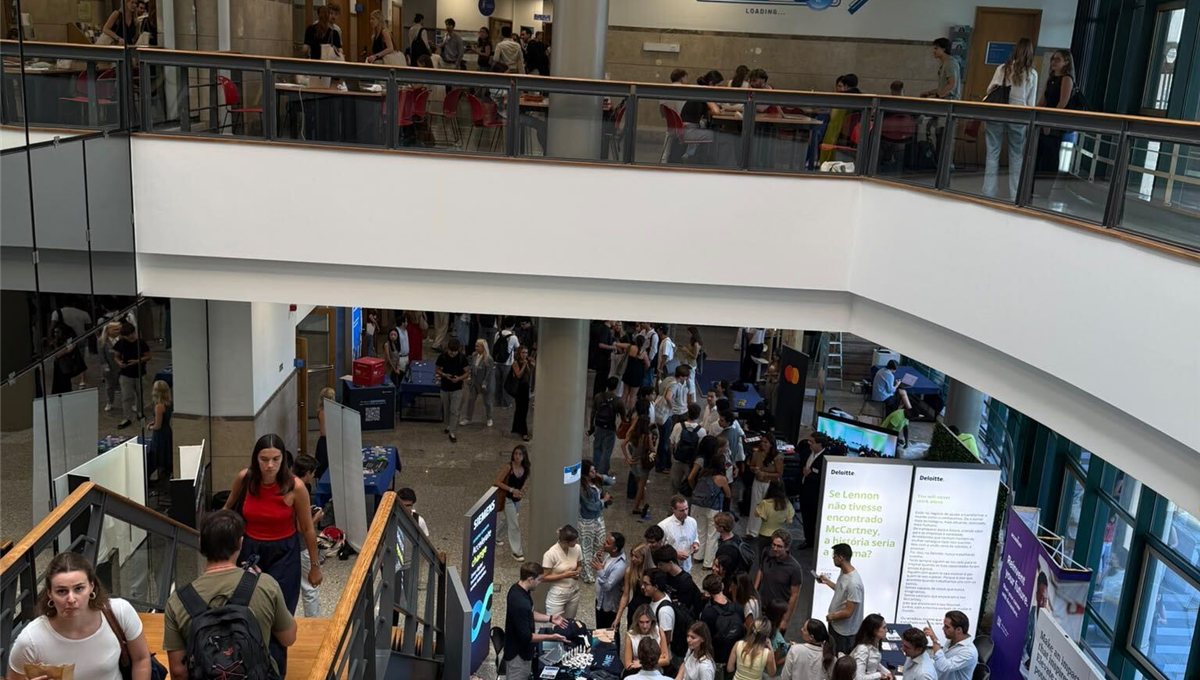
We have been busy on the ground ourselves. Together with Catolica, we hosted the first Munich chapter alumni event, bringing Bloom colleagues and Catolica graduates together for an evening of old networks in a new city. Earlier this week we were representing Bloom at the Catolica Career Fair in Lisbon, meeting the next generation of consultants and strategists. For us, this is what building a talent pipeline looks like in practice rather than on the page of a strategy deck.
The sober generation ordered another round
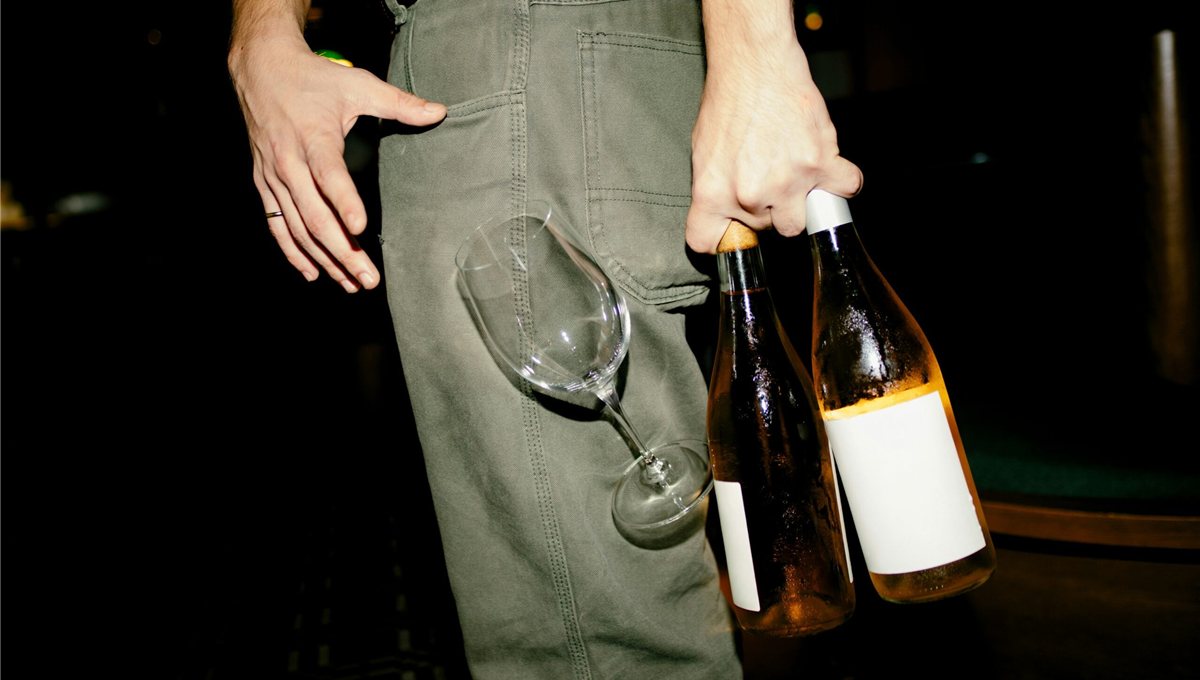
Highsnobiety's Insights dispatch of 15 September released the third part of its Status Economy series, after groceries and beauty, this one on hospitality. It goes after the most repeated line in consumer planning, that Gen Z stays in and stays sober. On Highsnobiety's own panel of Cultural Pioneers, which is its readership rather than a representative sample, 88% say alcohol is either part of going out or the main character, one in three spends more than a fifth of their disposable income on it, and 65% read a working knowledge of natural wine or niche cocktails as cultural capital. That report is gated, but the wider numbers point the same way: IWSR surveyed more than 32,000 drinkers in July, put the drinking rate among legal age Gen Z back at 74% against 66% three years ago, and called the moderation narrative conclusively debunked. The signal has moved from what you wear to where you go and what you order. We would take the panel for what it is, the fastest moving end of the cohort rather than the average, and still take the point: a plan built on the sober Gen Z trope is built on a trope. Highsnobiety presents the series at DMEXCO in Cologne and says it will be there on 24 September. (Highsnobiety)
More insights
23 October 2026Newsletter
Edition 07: gaming is bigger than its category
Our new whitepaper on why gaming is bigger than its category, Whole Foods names the food trends for 2027, and a Munich robot maker passes $1bn.
13 min read
23 October 2026Whitepaper
The Gaming Growth Layer
Gaming has become one of the largest digital behaviours in society. Most brands outside the industry still treat it as a niche.
1 min read
Don’t want to miss what comes next?
Bloom Bites brings the thinking behind our work to your inbox, usually before it turns into an article. One mail, no noise, unsubscribe in a click.