
the fortnight's best AI story came from a Bavarian mine
The most compelling AI story of the fortnight is a kaolin mine in Bavaria, AgriFoodTech's unicorn count climbs again, and Travis Kalanick's next act bets on atoms rather than bits.
- Published
- 21 August 2026
- Reading time
- 9 min
- Topics
- AI, Consumer Health, Food & Beverage
- Written by
Bloom Partners Team
From our work
Our latest work, with the numbers and structural insights compact enough for your coffee brief.
The Next Billion: why growth in consumer healthcare will be won by reimagining categories, not competing harder within them

Every quarterly earnings call in consumer health opens with the same word: share. Our new whitepaper, The Next Billion, argues that's the wrong number to chase. Companies fighting hardest for share are often overlooking the biggest opportunities: the €5.7 trillion silver economy, women driving 80% of household healthcare decisions, and Gen Z rewriting the rules. The next billion customers won't come from winning the category. They'll come from redefining what it stands for.
Non-consumption, in our analysis, is rarely a price or product problem. It's governed by four psychological barriers that decide whether someone ever enters a category at all, well before either is weighed. Whether the category feels built for people like them: Reference. Whether adopting it signals an identity they're not ready to claim: Identity. Whether it fits naturally into an existing routine: Effort. Whether they trust it will actually work for someone in their position: Trust.
Each is specific, measurable, and addressable long before a product ever changes; people wait an average of 8.9 years after failing a hearing test before buying an aid, for reference alone.
Seven remedies turn non-consumers into high-value customers by removing barriers across discovery, framing, adoption, trust and repurchase. The biggest gains come from redesigning the category around those barriers.
All four barriers, all seven remedies, and the client work behind them are in the whitepaper. If you want the next billion customers to be yours and not a competitor's, it's worth the fifteen minutes. (146683042.hs-sites-eu1.com)
From the news desk
What is happening in the industries we work in, with a focus on the latest in AI.
The most compelling AI story this fortnight isn't from Silicon Valley or Shenzhen. It's from a kaolin mine in Bavaria

It's easy to assume the interesting AI transformation stories are all happening in San Francisco or Shenzhen. Gebrüder Dorfner, a family-owned raw materials business that has mined kaolin in Hirschau, Bavaria for over a century, is a useful reminder that they are just as often happening right in front of us. The company is targeting 40% revenue growth by treating its own operating data, not just its 47 hectares of mineral reserves, as the real asset. CEO Mirko Mondan calls the data "a treasure trove": AI-driven extraction planning is slowing how fast the kaolin is used, extending the mine's viable life, while the same data layer is opening new business models beyond simply selling more raw material. Based on our own work with clients pursuing AI-first transformation, this is exactly the pattern we believe is underrated: the businesses that get the most out of AI are rarely the ones chasing the most sophisticated model. They are the ones willing to rebuild their own operating data and business model holistically around it, kaolin mine or not. (Handelsblatt)
AgriFoodTech's unicorn count is climbing again, for a healthier reason this time
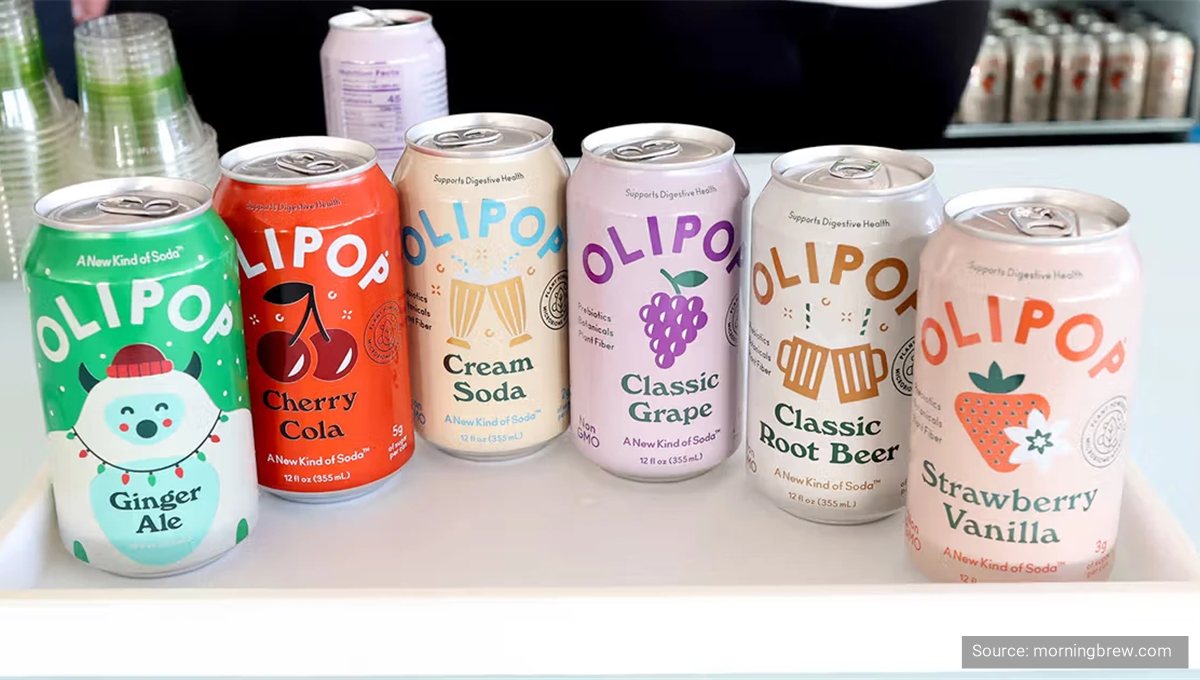
Digital Food Lab's 2026 mapping counts 56 agrifoodtech unicorns, up from 52 last year and the strongest year of new entrants since the 2021/22 hype peak. What's different this time is composition, not just count: the seven new arrivals span personalised nutrition, smart livestock technology, functional soda and B2B food marketplaces, and the sector as a whole is shifting away from the subsidised food-delivery model that inflated the last cycle, toward agriculture, branded products and food coaching. We think three of these areas are worth watching closely as leading indicators rather than curiosities. Personalised nutrition players signal that the health revolution we flagged in a previous edition is starting to pull food itself into a data-and-coaching business model, not just a pharma one. Smart livestock technology shows agriculture adopting sensor-and-data layers at the primary production level, well upstream of the branded products consumers actually see on shelf. And B2B food marketplaces point to the less glamorous but highly investable work of digitising distribution in markets where that infrastructure barely exists yet. None of these will make headlines the way a food-delivery unicorn once did. In our view, that's exactly why they're the more durable signal. (Digital Food Lab)
Travis Kalanick's next act bets on atoms, not bits
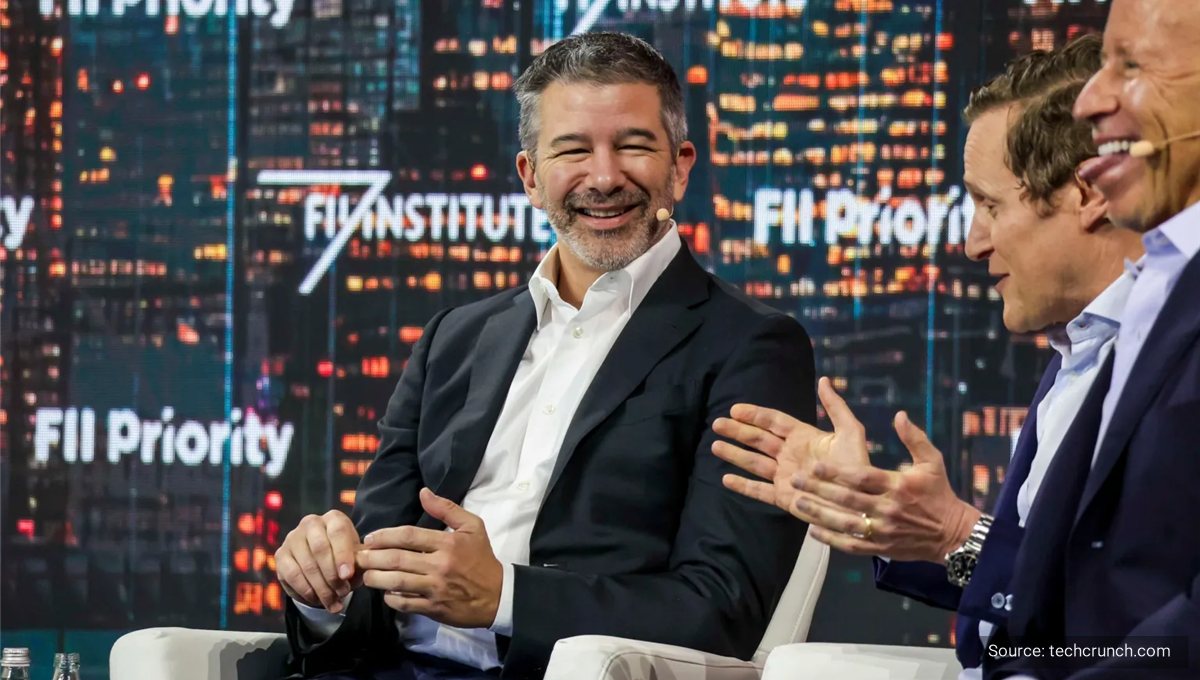
After eight years in stealth, Travis Kalanick's Atoms has emerged with $1.7 billion in funding led by a16z, Ben Horowitz joining the board, and Uber reinvesting in its former CEO's new venture. Atoms is organised around three divisions, Food, Mining and Transport, with the explicit ambition of doing to physical-world operations what software did to the digital one. Our view is that the physical distribution layer, warehousing, logistics, last-mile movement, has been disregarded for far too long in the AI conversation, treated as somebody else's infrastructure problem rather than a genuine layer of the agentic stack. That is changing quickly. As agentic systems get better at deciding what should happen, the businesses that also control how it physically gets moved, stored and delivered are the ones positioned to capture the full value of that decision, not just the decision itself. Atoms is a bet that this layer is investable in its own right, and we think that bet is directionally correct. (a16z)
$12.5 billion for a basketball team, and the AI executives quietly buying up sport alongside it
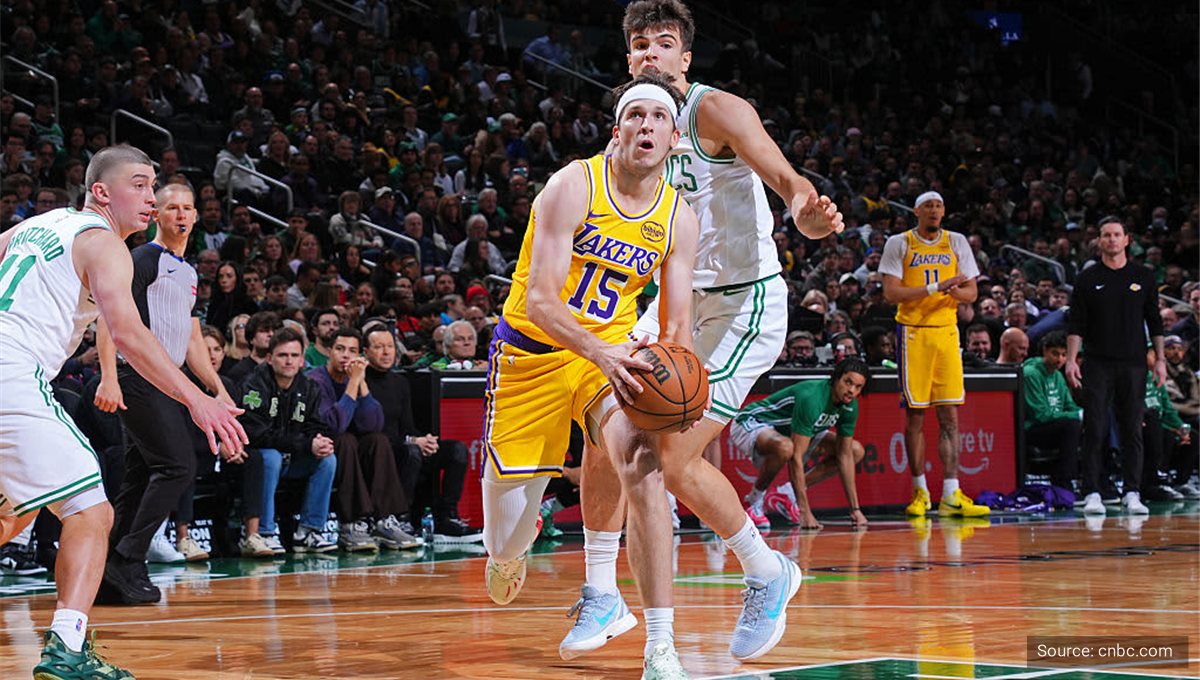
Bob Iger and Josh Kushner are buying the Los Angeles Lakers from Mark Walter at a $12.5 billion valuation, a record for a professional sports franchise and a $2.5 billion jump on what Walter himself paid just 14 months ago. Taken alone, it reads as a media-mogul story: Iger's Disney background, Kushner's existing minority stakes in the Grizzlies and Heat, sports franchises increasingly priced as content-and-data platforms rather than teams with a media deal attached. What makes it worth a closer look is who else has been buying into sport over the past eighteen months. Sundar Pichai, alongside Satya Nadella, Adobe's Shantanu Narayen and several other technology executives, is part of an eleven-member consortium that paid £145 million for a 49% stake in London Spirit, the Lord's-based franchise in cricket's The Hundred, valuing the club at roughly £300 million. Just this week, a group including Jeff Bezos bought roughly 30% of Liverpool FC at a valuation of about $7.4 billion, with an option to take majority control within a year should Fenway Sports Group decide to sell. These are not passive trophy assets bought for prestige. We believe they are a deliberate bet, made by some of the people who understand AI's economics better than anyone, that live sport is one of the few attention assets left that cannot be skipped, streamed later or scrolled past. In a media environment where AI is about to make an almost infinite amount of content available on demand, live, unrepeatable experience is becoming scarcer, and therefore more valuable, not less. (CNBC)
Into the weekend
A digestible curation of what currently has our attention, and what we make of it.
The smoking aesthetic is booming while smoking itself keeps falling, and for youth brands that gap matters more than either number
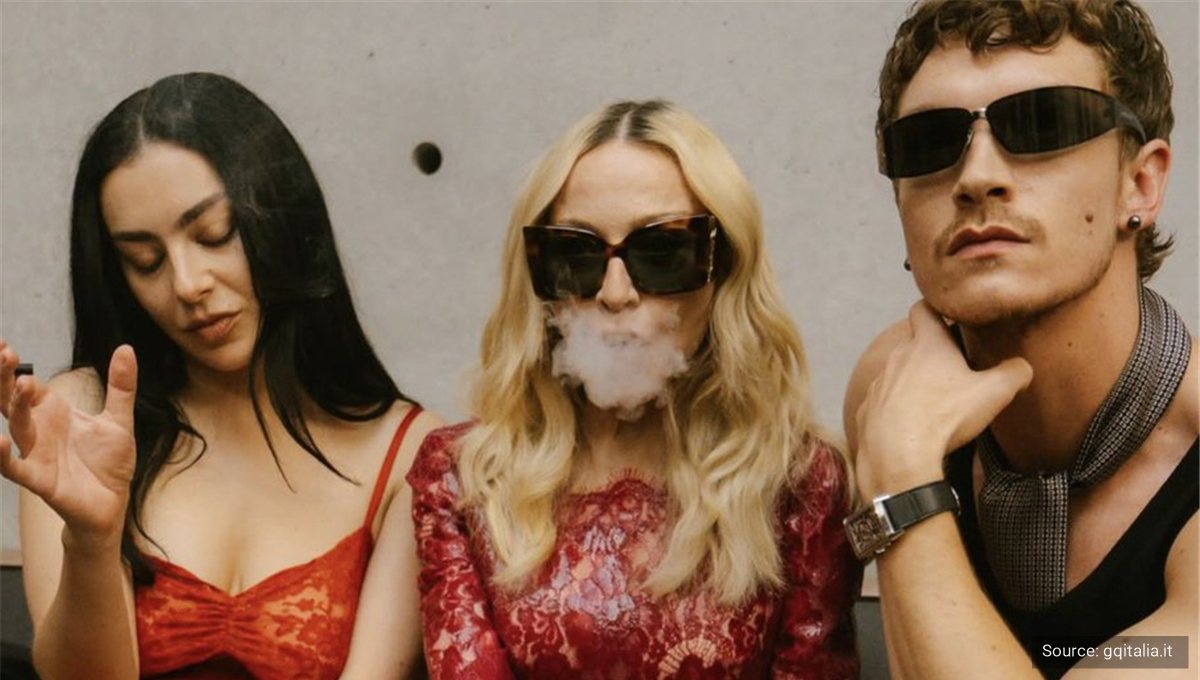
Kylie Jenner smoking on a Vanity Fair cover, cigarette trays laid out at Dua Lipa's wedding, tobacco imagery running through eight of the ten Best Picture Oscar nominees: the FT charts a pop culture smoking revival that has almost nothing to do with actual smoking behaviour. Real smoking rates remain at a 60-year low among US adults and the lowest on record among teenagers, even as the aesthetic spreads: Pinterest searches for "smoking pose" are up 70% among 18-to-24-year-olds, an Instagram account called Cigfluencers exists purely to catalogue celebrity smoking imagery, and this year's Met Gala produced arguably more cigarette photography than red-carpet coverage of the clothes themselves. Public health researchers aren't entirely relaxed about the gap between image and behaviour: exposure to smoking imagery in media and entertainment is associated with young people being two to three times more likely to try tobacco themselves, regardless of how reassuring the underlying statistics look. It's a good example of why "what the data says" and "what the culture is doing" need to be tracked as two separate signals, especially for any brand adjacent to youth culture: an aesthetic can move well ahead of, or entirely without, the behaviour eventually following it. (FT)
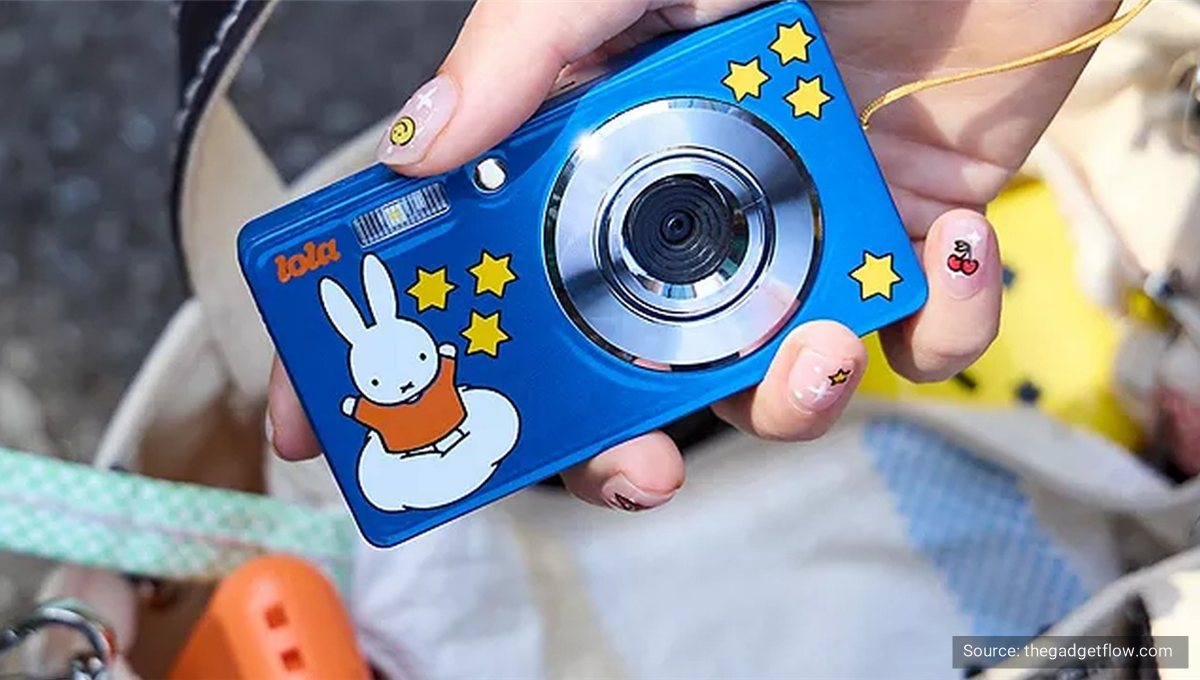
Brands have worked out that nostalgia outsells novelty
Trend Hunter's August round-up is a small masterclass in what consumer brands are actually betting on right now. Doll-themed café pop-ups modelled on the Malibu Barbie Cafe turn a toy aisle into an immersive dining experience; a Miffy-branded digital camera repackages a 1950s children's character as a photography accessory; a Werther's Original-branded cassette player turns a caramel brand into a piece of retro audio equipment; and "romantasy" board games like Fourth Wing: Rise of the Wingleader graft a publishing boom straight onto tabletop gaming. None of it is new technology, and very little of it is even a genuinely new product category. What it shares is a formula: take a feeling someone already has, usually a specific and slightly dated one, and attach a logo, a shelf price and a queue to it. In a fortnight when most of the headlines in this newsletter are about frontier technology and trillion-dollar capex, it's a useful reminder that a meaningful share of consumer growth still comes from something much simpler, and much older, than any frontier technology: recognising exactly what your customer is nostalgic for, and getting there first. (Trend Hunter)
More insights
23 October 2026Newsletter
Edition 07: gaming is bigger than its category
Our new whitepaper on why gaming is bigger than its category, Whole Foods names the food trends for 2027, and a Munich robot maker passes $1bn.
13 min read
23 October 2026Whitepaper
The Gaming Growth Layer
Gaming has become one of the largest digital behaviours in society. Most brands outside the industry still treat it as a niche.
1 min read
Don’t want to miss what comes next?
Bloom Bites brings the thinking behind our work to your inbox, usually before it turns into an article. One mail, no noise, unsubscribe in a click.