
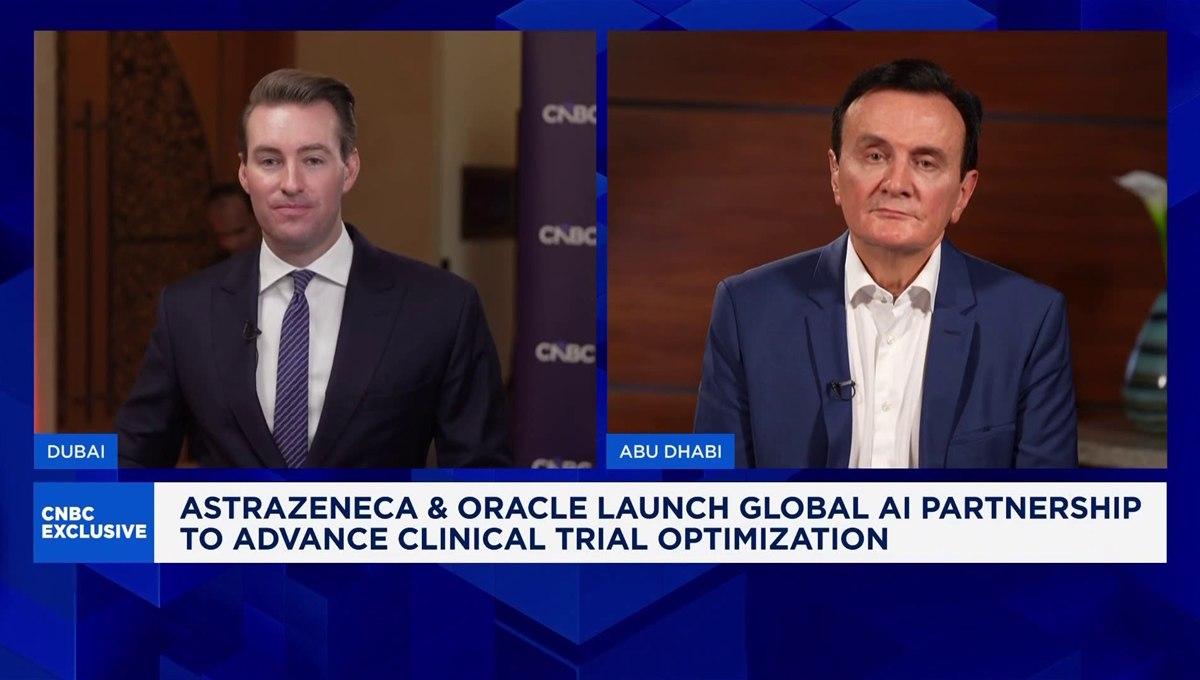
Oracle and AstraZeneca want to find trial patients sooner
Oracle and AstraZeneca announced a non-binding agreement on 20 October to explore how AI and real-world data can help clinicians identify eligible trial patients, speed up evidence generation and bring research findings into everyday care.
- Published
- 23 October 2026
- Reading time
- 1 min
- Topics
- Gaming, AI, Healthcare, Consumer Goods
- Written by
Bloom Partners Team
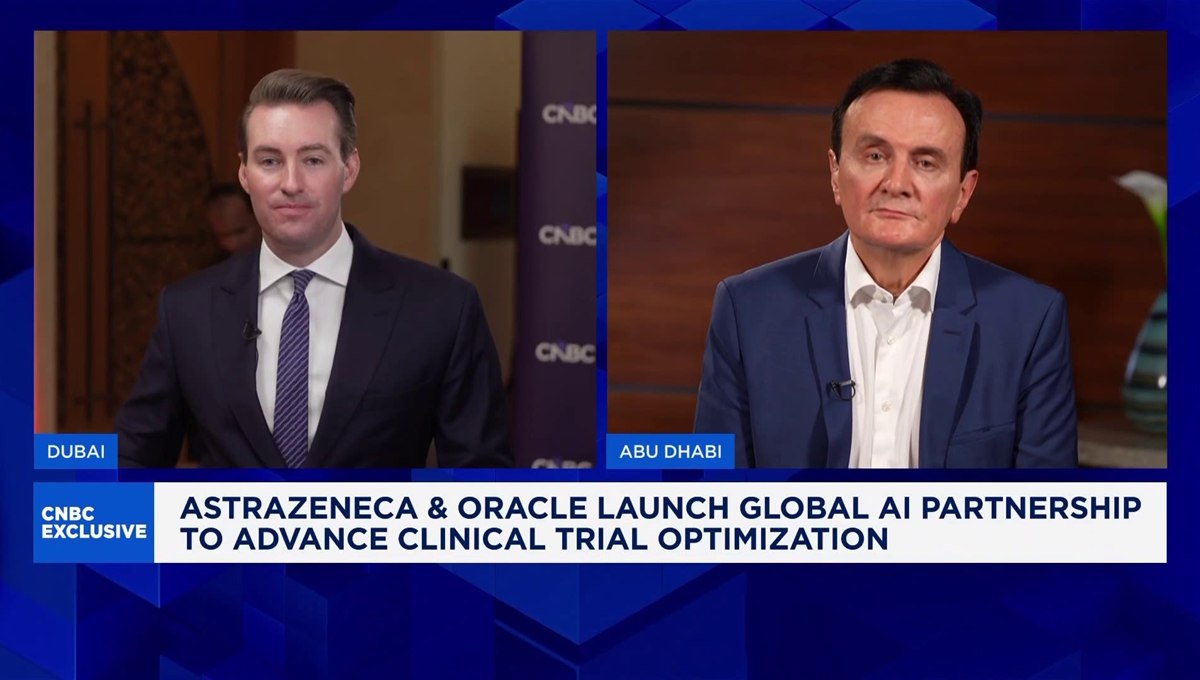
Oracle and AstraZeneca announced a non-binding agreement on 20 October to explore how AI and real-world data can help clinicians identify eligible trial patients, speed up evidence generation and bring research findings into everyday care. The joint release quotes both chief executives, Pascal Soriot and Mike Sicilia, and contains no financial terms.
- The plan starts with structure rather than results: shared governance, reusable technical components and agreed outcome measures, set up to test whether an approach that works in one disease area and geography can be carried to others.
- The candidate fields are wide. Oncology, cardiovascular, renal and metabolic disease, respiratory and immunology, and rare diseases are named as possible starting points.
- According to Reuters, the first project will support hypertension research in Abu Dhabi with the UAE healthcare company M42. The companies’ own release, datelined Austin and Abu Dhabi, names neither M42 nor the hypertension project. Reuters also notes that patient recruitment remains one of the biggest challenges in clinical research, and that slow enrolment stretches timelines and raises development costs.
Nothing is signed yet, and we would say that plainly. What interests us is where two very large companies chose to begin. Pharma has spent years applying AI to the molecule, while the delay Reuters describes sits in finding the right patient at the right site, which is a data-access problem as much as a scientific one. That explains why a drug developer is talking to an enterprise software company with its own health data and clinical software business. Anyone running clinical programmes should watch the outcome measures the two agree on, because they are likely to become the reference for what good AI-supported recruitment looks like. (Oracle and AstraZeneca)
More insights
23 October 2026Article
What Whole Foods expects us to eat in 2027
Whole Foods Market, which belongs to Amazon, published its food and beverage trend predictions for 2027 on 14 October: eight trends chosen by its Trends Council, a group of team members that runs from foragers and buyers to culinary experts.
2 min read
23 October 2026Article
AI makes hospital bills bigger. Who pays for it?
In US hospitals, AI now helps write the bills.
1 min read
Don’t want to miss what comes next?
Bloom Bites brings the thinking behind our work to your inbox, usually before it turns into an article. One mail, no noise, unsubscribe in a click.