
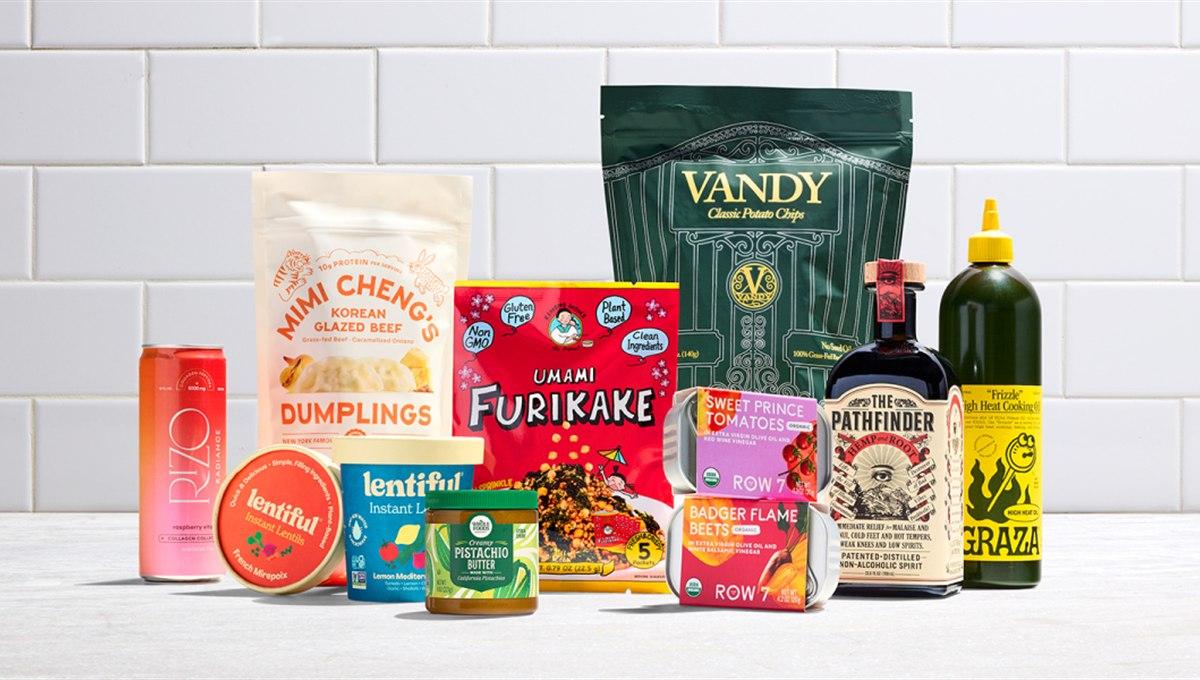
What Whole Foods expects us to eat in 2027
Whole Foods Market, which belongs to Amazon, published its food and beverage trend predictions for 2027 on 14 October: eight trends chosen by its Trends Council, a group of team members that runs from foragers and buyers to culinary experts.
- Published
- 23 October 2026
- Reading time
- 2 min
- Topics
- Gaming, AI, Healthcare, Consumer Goods
- Written by
Bloom Partners Team
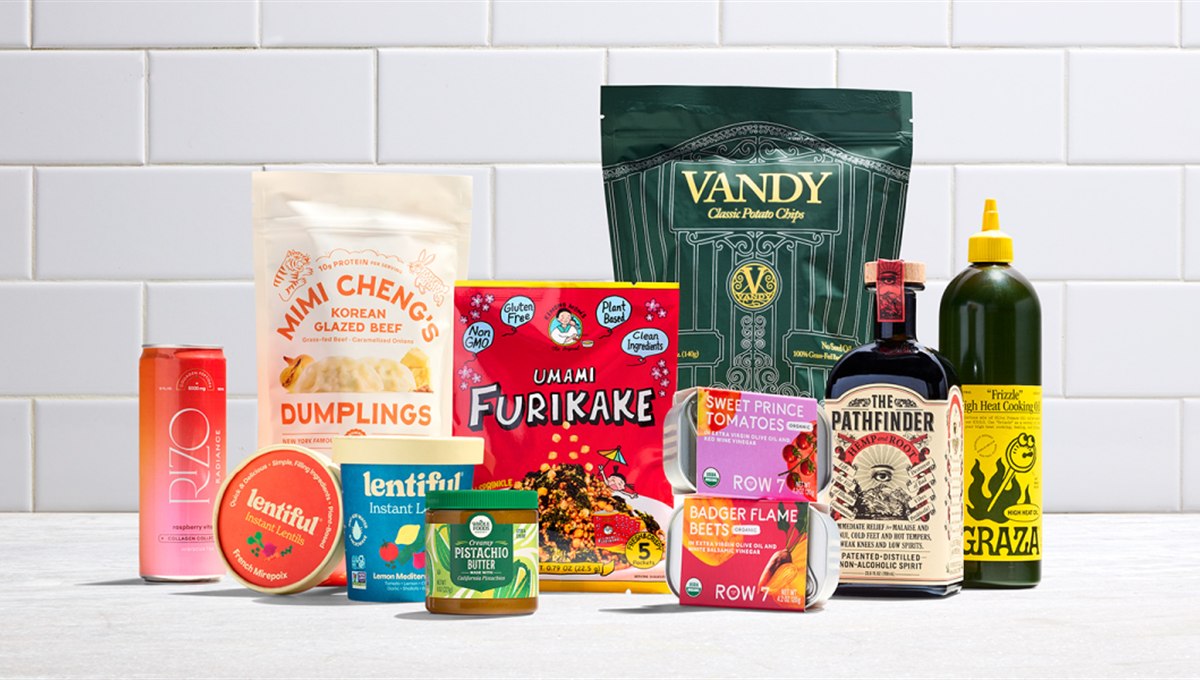
Whole Foods Market, which belongs to Amazon, published its food and beverage trend predictions for 2027 on 14 October: eight trends chosen by its Trends Council, a group of team members that runs from foragers and buyers to culinary experts. Read together, the list describes a shopper who checks where food comes from and what it actually does.
- Origin is spreading beyond wine. Terroir’s New Territory applies the idea to honey, chocolate, grains and seafood, and Ingredient Minimalism follows the “read your labels” content on social media towards shorter ingredient lists. Whole Foods adds that its own quality standards ban more than 300 ingredients.
- Function is becoming a reason to buy food. Beautrition covers collagen jelly sticks, skin glaze gummies and olive oil shots, and The Bean Boom moves beans and legumes to the centre of the plate as affordable, fibre-rich protein, down to lupini snacks and bean subscription clubs from Rancho Gordo and SIMPLi.
- Palates are opening up. Bitter Done Better lists non-alcoholic spirits, amaro-style drinks, licorice and radicchio, which Whole Foods ties to changing tastes, digestive wellness and the sober-curious movement, while The Yōshoku Effect brings Japanese takes on Western dishes such as omurice and curry rice into the aisle.
A retailer’s trend list is also a buying list, so we read this less as a forecast than as a signal of where shelf space at one influential grocer is heading. What strikes us is how many of the eight turn a product attribute into the story, whether that is the place a product comes from or the nutrient it delivers. For a brand, that moves more of the sale onto the claims on the pack and the evidence behind them, and a product that cannot show its origin or its function will have a harder time making next year’s list. (Whole Foods Market)
More insights
23 October 2026Article
AI makes hospital bills bigger. Who pays for it?
In US hospitals, AI now helps write the bills.
1 min read
23 October 2026Article
Oracle and AstraZeneca want to find trial patients sooner
Oracle and AstraZeneca announced a non-binding agreement on 20 October to explore how AI and real-world data can help clinicians identify eligible trial patients, speed up evidence generation and bring research findings into everyday care.
1 min read
Don’t want to miss what comes next?
Bloom Bites brings the thinking behind our work to your inbox, usually before it turns into an article. One mail, no noise, unsubscribe in a click.