
gaming is bigger than its category
Our new whitepaper on why gaming is bigger than its category, Whole Foods names the food trends for 2027, and a Munich robot maker passes $1bn.
- Published
- 23 October 2026
- Reading time
- 7 min
- Topics
- Gaming, AI, Healthcare, Consumer Goods
- Written by
Bloom Partners Team
From our work
Our latest work, with the numbers and structural insights compact enough for your coffee brief.
The Gaming Growth Layer: most brands still treat gaming as a niche

Germany has 41.2 million players, roughly six in ten of everyone aged six to 69, and the global games market crossed $200 billion in 2025 for the first time. Yet ask a brand outside the industry what gaming means for its business, and the answer usually describes a media channel. Our new whitepaper, The Gaming Growth Layer, written with the specialists at EarlyGame, a gaming and esports media platform, argues that the opportunity sits well beyond game sales and advertising.
- The paper sorts what brands do with gaming into six layers, from understanding the player and activating attention up to building propositions and transforming the core business. Most companies stop at the second layer, where they rent attention from a platform that belongs to someone else.
- The deeper cases are rarer, and they tend to stop being called gaming marketing at all. Walmart lets developers build its commerce directly into games, and BMW's Virtual Factory connects more than 30 production sites in digital twins, with production-planning costs expected to fall by up to 30%.
- The second half looks at what any digital business can learn from how games companies work: run products as live services, learn from behaviour and design for return, make the community part of the operating model, own the customer relationship, and simulate before committing physical resources.
Most companies have explored gaming as an audience. The community, proposition and operating-model opportunities are far less developed, and the practical task is to go one level deeper than a conventional campaign. (Bloom Partners)
From the news desk
What is happening in the industries we work in, with a focus on the latest in AI.
What Whole Foods expects us to eat in 2027
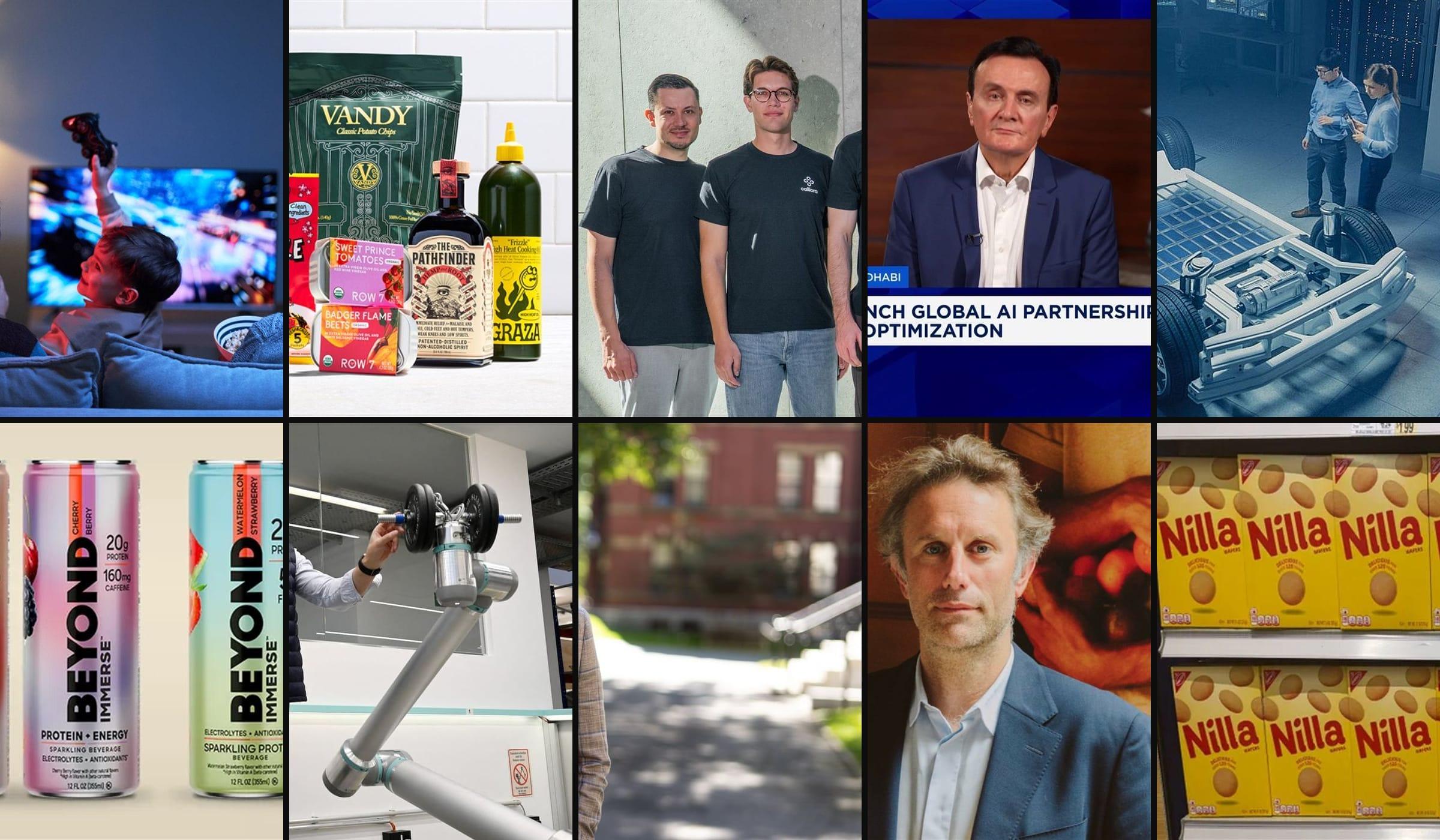
Whole Foods Market, which belongs to Amazon, published its food and beverage trend predictions for 2027 on 14 October: eight trends chosen by its Trends Council, a group of team members that runs from foragers and buyers to culinary experts. Read together, the list describes a shopper who checks where food comes from and what it actually does.
AI makes hospital bills bigger. Who pays for it?
In US hospitals, AI now helps write the bills. It finds diagnoses a patient has and puts them on the bill, so the hospital gets paid more.
Oracle and AstraZeneca want to find trial patients sooner

Oracle and AstraZeneca announced a non-binding agreement on 20 October to explore how AI and real-world data can help clinicians identify eligible trial patients, speed up evidence generation and bring research findings into everyday care. The joint release quotes both chief executives, Pascal Soriot and Mike Sicilia, and contains no financial terms.
Carmakers adopt AI agents faster than the rules for them

The Capgemini Research Institute published a study on 12 October based on a July survey of 800 senior executives at carmakers, tier-one suppliers and technology providers in 12 countries. 68% already use (33%) or pilot (35%) agentic AI in product development, but only 5% describe their AI governance as fully mature.
Protein drinks now come with caffeine
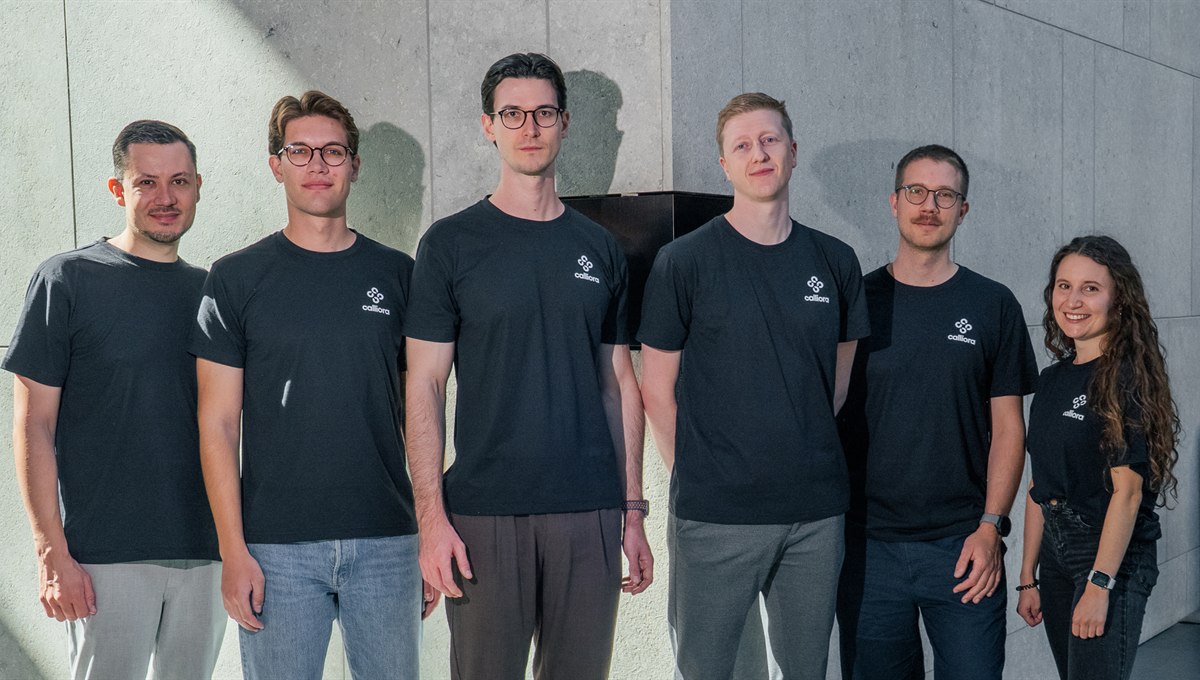
Two companies from opposite ends of the shelf have arrived at the same product. Beyond, which has dropped “Meat” from its name, has introduced Beyond Immerse Protein + Energy, a sparkling drink with 20g of plant protein, 5g of fibre and 160mg of caffeine from coffee beans, as Food Dive reported on 15 October. Monster Energy unveiled Monster + Protein at the NACS convenience retail show this month, with 30g of protein and 160mg of caffeine, due to roll out next year.
RobCo passes $1bn as its CEO moves to the US
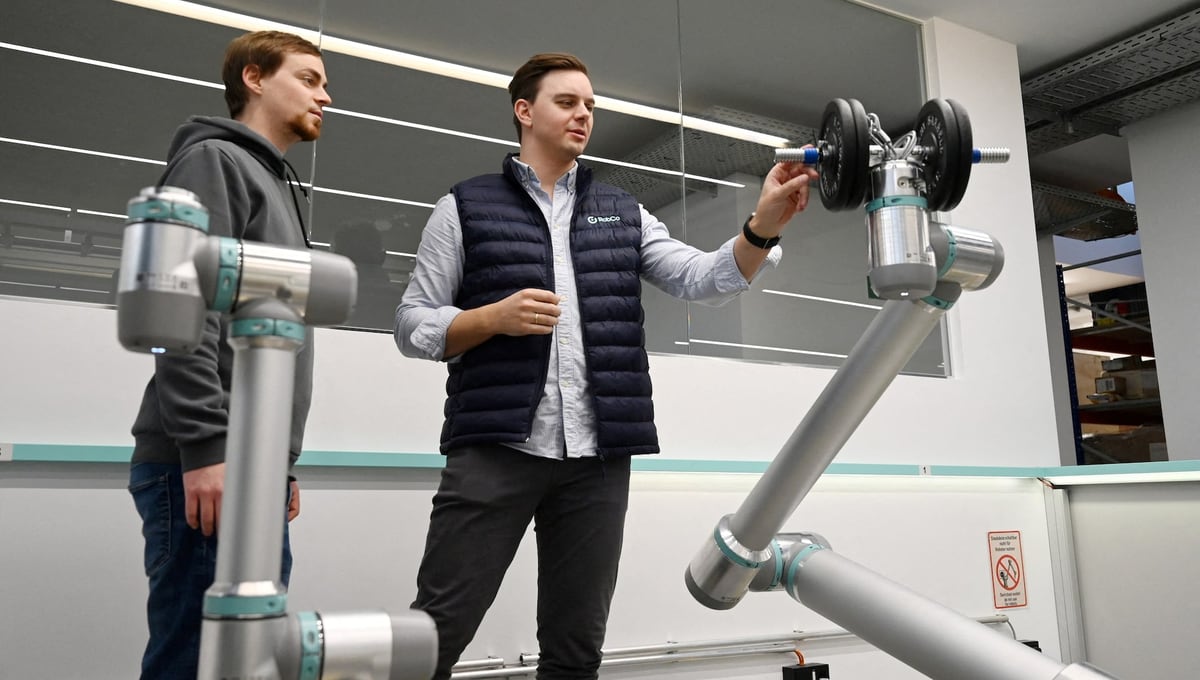
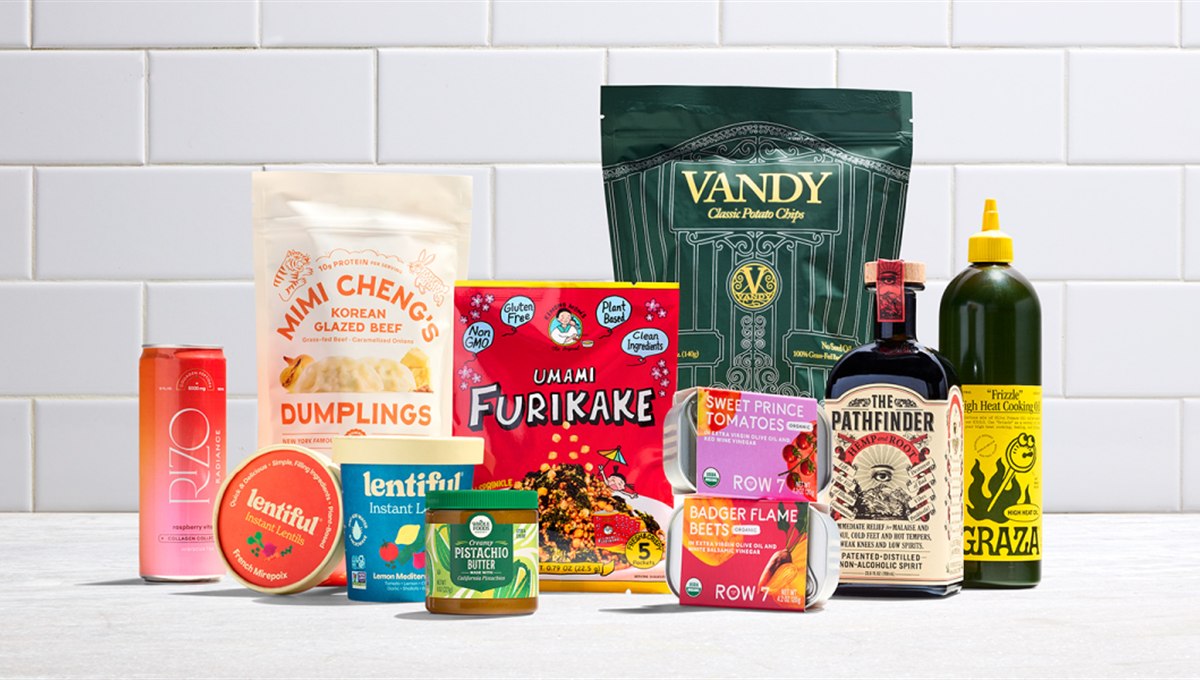
RobCo, the Munich company that builds robots for manufacturing, said on 5 October that it had passed a $1bn valuation, as Reuters reported. The deal combined new investment with a share sale that let employees sell part of their holdings. According to the company, existing investors including Sequoia, Lightspeed and Lingotto took part. New investors include Cherry Ventures and the European Tech Collective, and the Wall Street Journal put the shares sold at $40m. According to Reuters, chief executive Roman Hölzl says the company has now raised close to $200m in total.
Into the weekend
A digestible curation of what currently has our attention, and what we make of it.

What meetings cost, and what they may give back
A working paper published in September through the National Bureau of Economic Research by David Deming of the Harvard Kennedy School and three economists at the Norwegian School of Economics puts a price on meetings. Surveying more than 9,000 workers and linking their answers to Norwegian wage data, the authors find that meetings take about 12% of working time, around 4.7 hours a week, and 14% of the wage bill, which they put at roughly NOK 88,000, or about $9,000, per employee a year. Of all the activities they measured, meetings are the strongest predictor of wage growth, especially meetings with more senior colleagues, which the authors read as knowledge being passed on. They call meetings “the broccoli of work”: “widely disliked, but probably good for us anyway.” It is a working paper with data from Norway, and it shows an association rather than a cause. Still, before cutting meetings or handing them to an AI note-taker, we would ask which ones pass on knowledge and which only report status. (NBER)

Acqua di Parma, a 110-year-old start-up
The Austrian magazine Maison Ë published an interview on 2 October with Giulio Bergamaschi, who led Acqua di Parma from 2023 until this summer and has since moved to Louis Vuitton as chief product officer of its men’s division. His successor, Louis-Antoine Rousseau, previously at Parfums Christian Dior in Hong Kong, took over as brand managing director on 1 September, as FashionNetwork reported. The interview gives Bergamaschi’s view from his time at the top of the house, founded in Parma in 1916 and part of LVMH since 2001, which he describes as a start-up with 110 years of history. He put cultural development ahead of commercial expansion, and argued that digital brings information and reach while a deeper connection still needs the physical, hence the boutiques in Paris, Florence, Saint-Tropez and most recently Paraggi near Portofino. He also observed that younger customers change fragrance far more often and wear two at once, and saw America and the Middle East as markets where the brand was still underrepresented. The interview is in German, and everything above is our paraphrase. What stays with us is the framing, heritage used as permission to experiment rather than a reason to stand still. (Maison Ë)
Mondelēz’s childhood cookies are growing again
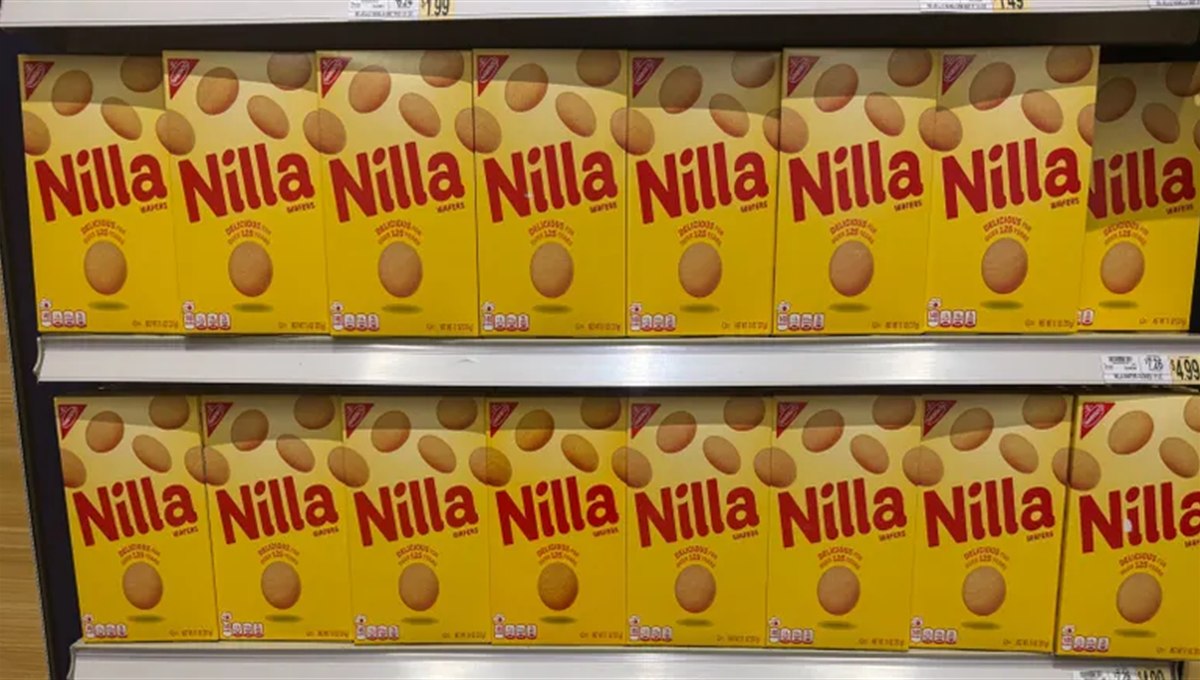
Food Dive reported on 19 October that the so-called Americana brands of Mondelēz, Honey Maid, Nutter Butter, Nilla Wafers, Barnum’s Animals Crackers, Teddy Grahams and Mallomars, are having a breakout year after two years of decline. Together they bring in more than $1bn in annual sales. Specialty cookie sales are up 4% for the year to 12 September against a flat cookie category, while growth in the core ranges of Oreo and Chips Ahoy! has slowed. Brand manager Caroline Suppiger points to nostalgia, America’s 250th birthday and new uses in baking and dipping, and puts it simply: “There’s just been a lot of consumers enjoying what they know.” The ranges are small by comparison, about five SKUs for Nilla, nine for Honey Maid and ten for Nutter Butter, against roughly 120 for Oreo in the US alone. Our reading is that the quiet brands in a portfolio are a reserve worth checking, and this one is growing on a handful of products rather than a flood of new ones. (Food Dive)
More insights
6 November 2026Newsletter
Edition 08: Bolzano, here we come
Google moves the checkout into Search, what Poppi's shrinking earnout tells us, and an AI drug deal that prices patient data per record.
5 min read
23 October 2026Whitepaper
The Gaming Growth Layer
Gaming has become one of the largest digital behaviours in society. Most brands outside the industry still treat it as a niche.
1 min read
Don’t want to miss what comes next?
Bloom Bites brings the thinking behind our work to your inbox, usually before it turns into an article. One mail, no noise, unsubscribe in a click.