
Why Jonathan Haidt doubts AI will make us happier
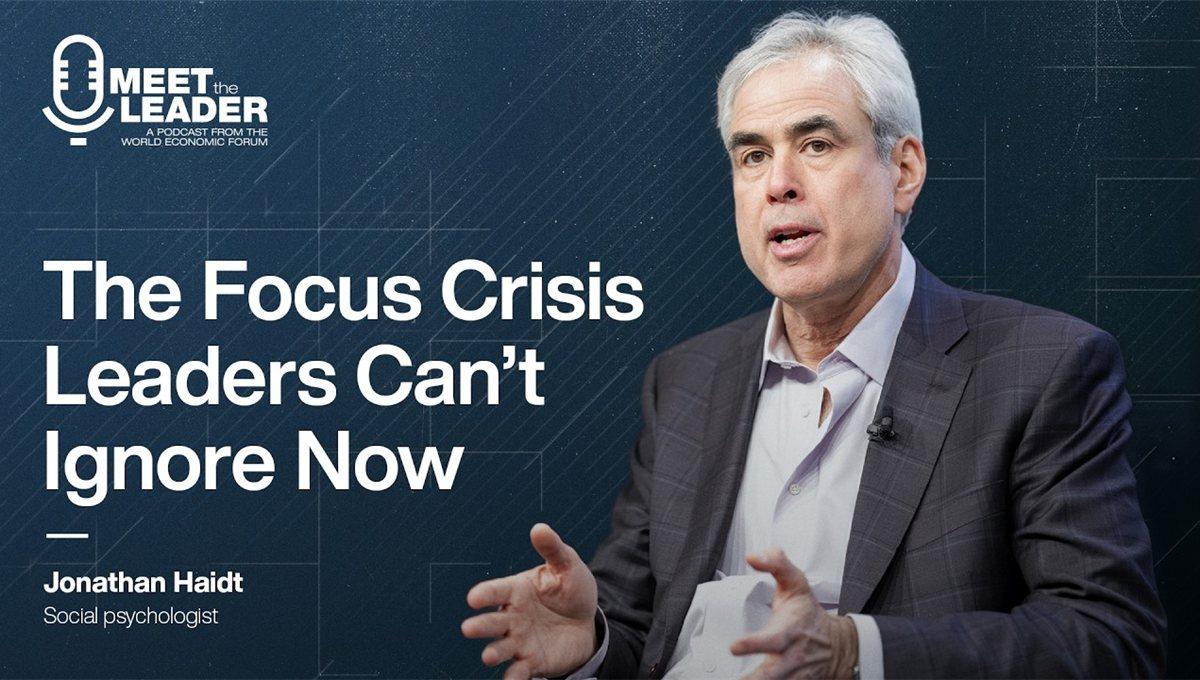
In a video interview for the World Economic Forum’s Meet the Leader series, recorded in Davos, the social psychologist Jonathan Haidt, author of The Anxious Generation, takes up a question most AI business cases leave out: if the technology frees people from rote work, will it also make them happier?
- Published
- 6 November 2026
- Reading time
- 1 min
- Topics
- AI, Healthcare, Consumer Goods
- Written by
Bloom Partners Team
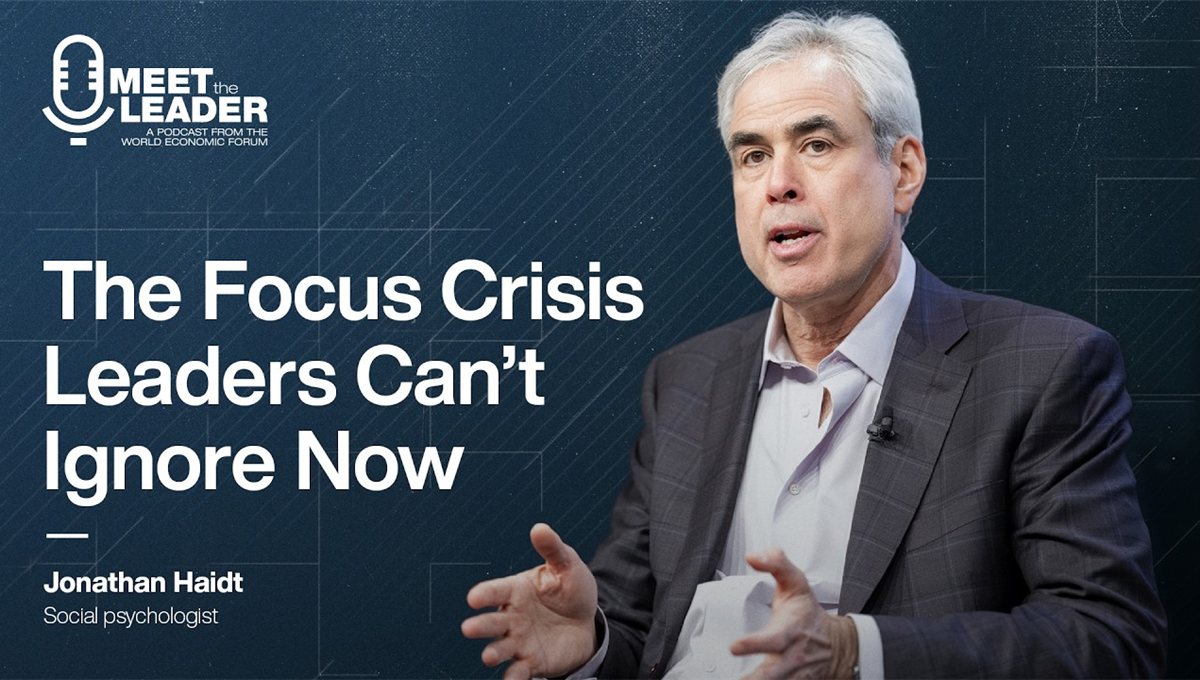
In a video interview for the World Economic Forum’s Meet the Leader series, recorded in Davos, the social psychologist Jonathan Haidt, author of The Anxious Generation, takes up a question most AI business cases leave out: if the technology frees people from rote work, will it also make them happier? His answer is not necessarily.
- Without deliberate choices, Haidt argues, technology and AI could move people further from meaning, connection and purpose, which is where happiness tends to come from.
- Progress on large problems depends on focus, trust and purpose. AI and social media may be weakening all three, which in his view makes deliberate leadership more important.
- He describes how AI and digital habits fragment attention and decision-making, and outlines practical ways for leaders to regain focus.
The perspective matters because AI business cases usually count the hours saved and say little about the attention of the people who get them back. If attention is the scarce input, rolling out AI also means planning for focus, in how work, meetings and messages are organised. The same question reaches the customer, for brands whose products either compete for attention or help people protect it. (World Economic Forum)
More insights
Don’t want to miss what comes next?
Bloom Bites brings the thinking behind our work to your inbox, usually before it turns into an article. One mail, no noise, unsubscribe in a click.