
Bolzano, here we come
Google moves the checkout into Search, what Poppi's shrinking earnout tells us, and an AI drug deal that prices patient data per record.
- Published
- 6 November 2026
- Reading time
- 10 min
- Topics
- AI, Healthcare, Consumer Goods
- Written by
Bloom Partners Team
From our work
Our latest work, with the numbers and structural insights compact enough for your coffee brief.
Bolzano, here we come

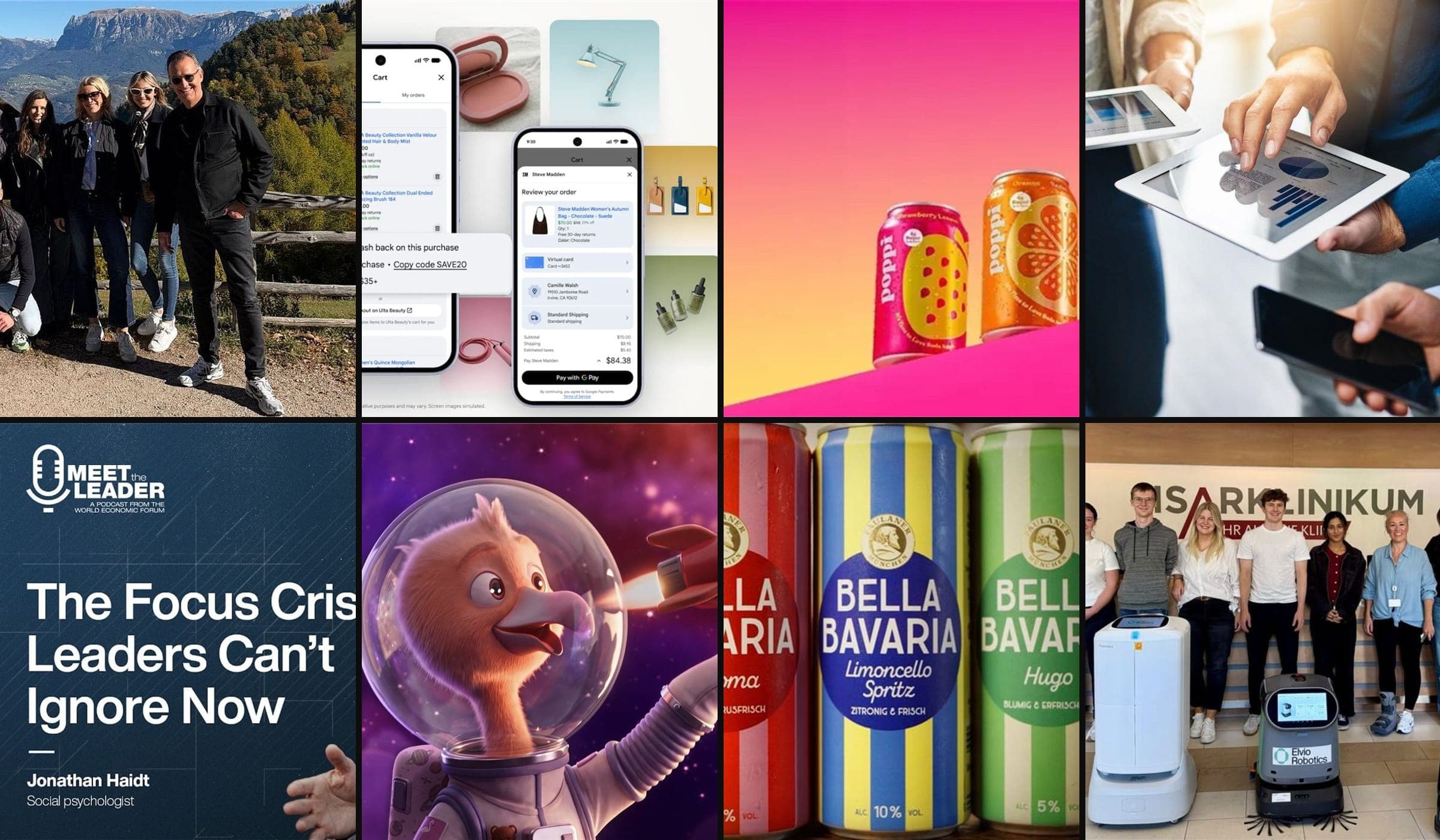
Our team came together in Bolzano, South Tyrol. Half of us were already in the area, and the rest of the team joined them.
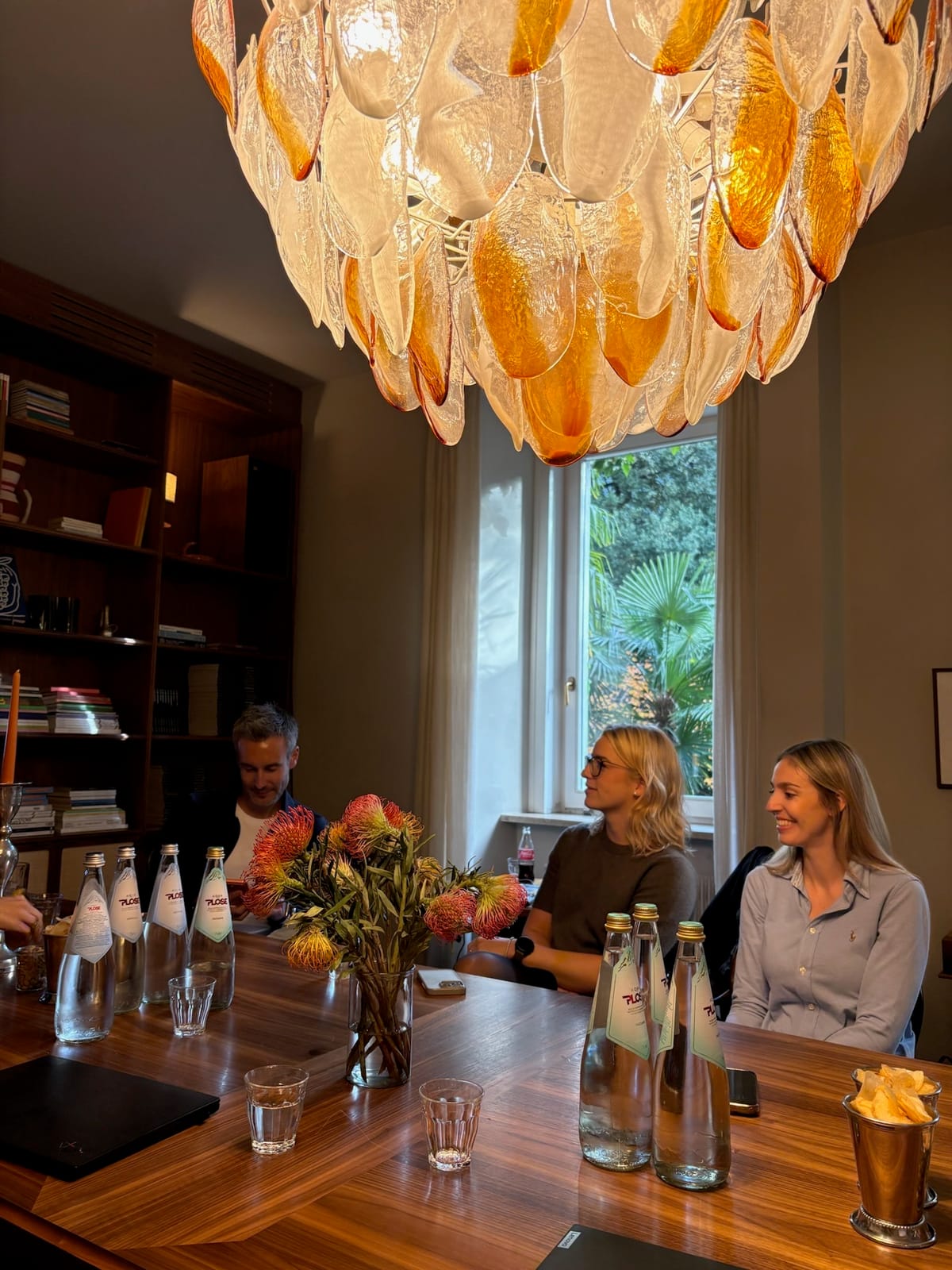
The working sessions were long and open. We talked about how each of us wants to develop, where the company is heading, and the topics that matter most inside the team, and carried the conversation on over a very good dinner.
One session was an anonymous Q&A, a format that matters a lot to us: anyone in the team can ask the questions that are important to them and to all of us, without their name attached. In a short project, everyone built a problem-solving method with AI in very little time and presented it to the group. It produced real insights, and some of them have already found their way into our everyday work.
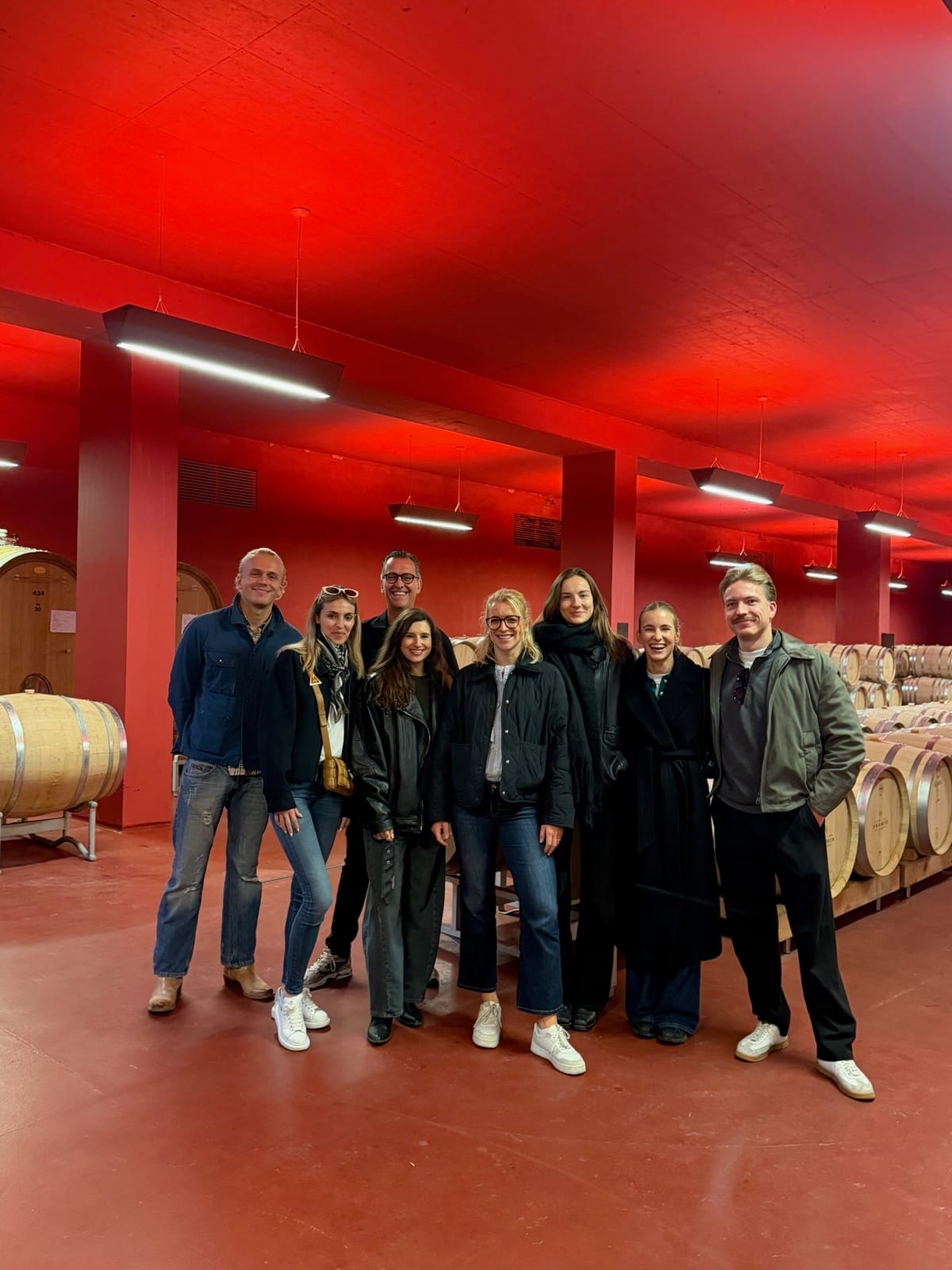
Besides the work, there was plenty of time together and a lot of laughter. A historic railway took us to a small village and one of the best meals of the trip, and from there we went on to Tramin for what the team rated one of the best wine tastings it has been to. More dinners together followed before we travelled home as a team.




From the news desk
What is happening in the industries we work in, with a focus on the latest in AI.
When the checkout moves into Google Search
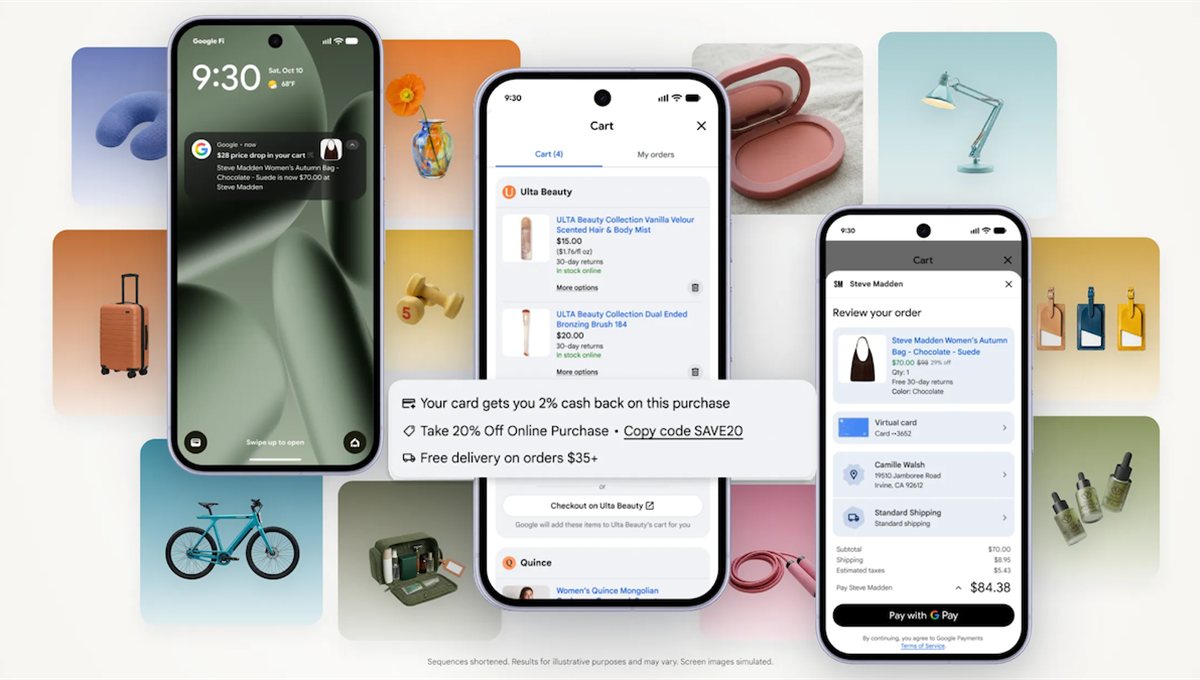
Google made Universal Cart available to US users on 15 October, as TechCrunch reported. First shown at Google I/O in May, the cart works across Search and the Gemini app, collects products from several retailers in one place, alerts shoppers to price drops and returning stock, and suggests how to pay based on card perks. Checkout runs on the Universal Commerce Protocol, an open standard Google introduced this year so that AI agents and retailers can complete a purchase together.
- According to Google, the brand remains the merchant of record. Shoppers can pay with Google Pay in a few taps or move to the merchant’s site to finish.
- Search itself is starting to build pages for some questions. At I/O, Google showed mini apps generated for a single query, background agents that watch the web on a user’s behalf, and a follow-up box under each AI Overview that leads straight into a conversation in AI Mode, as SiliconANGLE reported.
In a CNBC interview on 20 October, Daniel Hulme, chief AI officer at WPP, discussed AI agents that may soon recommend and buy products on people’s behalf, which raises the question of who the customer then is, the person or their AI. For brands, more of discovery and purchase moves onto pages they do not design. The product data, reviews and offers an agent reads become the shop window. The website remains the place where a brand tells its story, but fewer shoppers may arrive there before they decide. (TechCrunch)
What Poppi’s shrinking earnout tells us
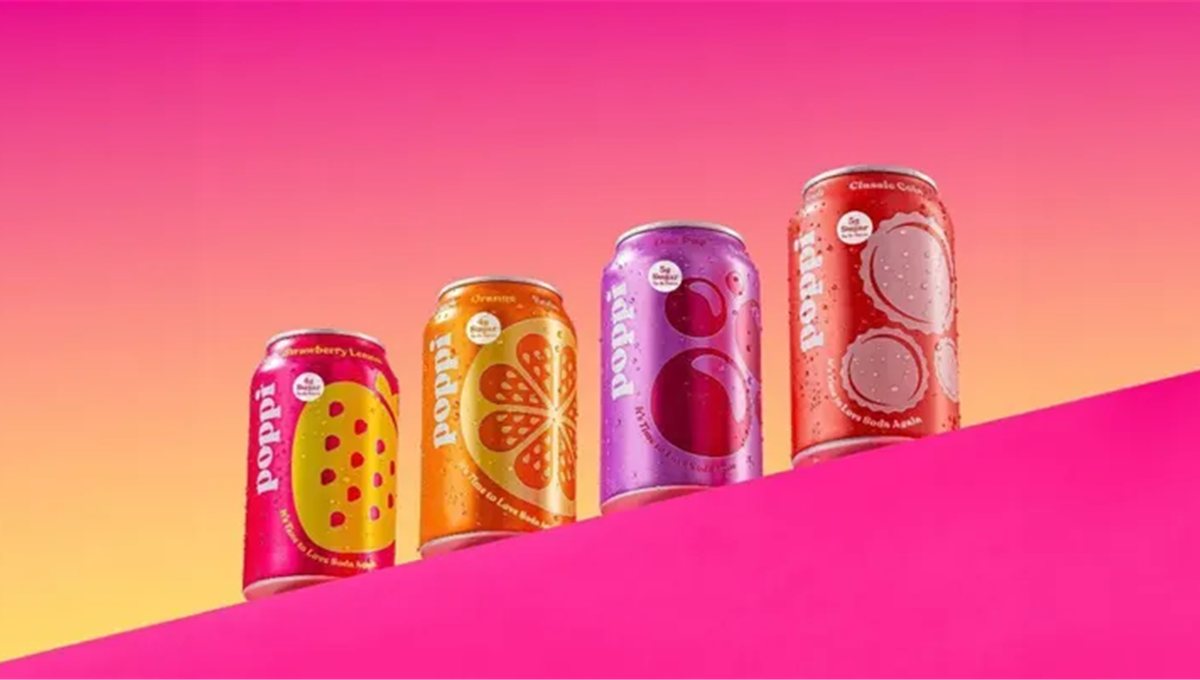
When PepsiCo bought the prebiotic soda brand Poppi in May 2025, it paid about $1.9bn in cash and agreed to pay a further $300m if certain performance milestones are met by the third quarter of 2027, and nothing otherwise. In its latest quarterly filing, for the period to 5 September 2026, PepsiCo puts the fair value of that payment at $12m, as Calcbench reported on 14 October. It stood at $278m at the end of December 2025 and at $117m in June.
- PepsiCo says Poppi grew sales volume by double digits in the third quarter and gained share in carbonated soft drinks, according to a Bloomberg report carried by The Star. The milestones are not disclosed, and the filing ties the value of the payment to net revenue and margin forecasts, which can fall even while volume grows.
- PepsiCo is still investing. On its third-quarter call it said it would put more behind Poppi, Mountain Dew and Pepsi, as Food Dive reported, and Poppi is adding Lift, an energy line with 70mg of caffeine, due next year. Sporked reports a second line, Chill, with magnesium and L-theanine.
- Poppi’s chief marketing officer Jenny Danzi has left PepsiCo and joined Unilever’s Liquid I.V. in the same role, as Food Dive reported on 3 November.
Why the forecasts fell is not public. An earnout turns the hardest question in any brand acquisition, whether growth carries over into a larger system, into a figure the buyer updates every quarter. For founders selling a fast-growing brand, the milestones can matter as much as the headline price. (Calcbench)
An AI drug deal that prices patient data per record

Pathos AI announced multi-year collaborations with Bristol Myers Squibb and Tempus AI on 23 October, starting with Alzheimer’s disease and other neurological conditions, as PharmExec reported. Bristol Myers Squibb also led Pathos’s $237m Series E, which values the company at about $3bn. Tempus disclosed the data terms in a filing with the US Securities and Exchange Commission.
- Tempus will aim to deliver 500,000 de-identified records of patients with Alzheimer’s or other specified neurological conditions over five years, about 100,000 a year, at $100 per delivered record. With updates, the order is worth up to $55m.
- Pathos analyses the data with its Foundry platform and a licensed Tempus tool. Bristol Myers Squibb gets three-year exclusive rights to use Foundry in neuroscience and access across its wider portfolio.
- For a set period, Tempus will not license the same records to anyone outside the three companies. Because Tempus and Pathos share executives and shareholders, a committee of independent Tempus directors approved the order.
Most AI announcements in pharma lead with the model. This contract prices the input, one patient record at a time, and protects it with exclusivity, which suggests where a large drug developer expects the advantage to sit. For companies in pharma and consumer health that hold well-documented patient or consumer data, the deal raises the question of what a single record would be worth to a partner, and on which terms to share it. (PharmExec)
Why Jonathan Haidt doubts AI will make us happier
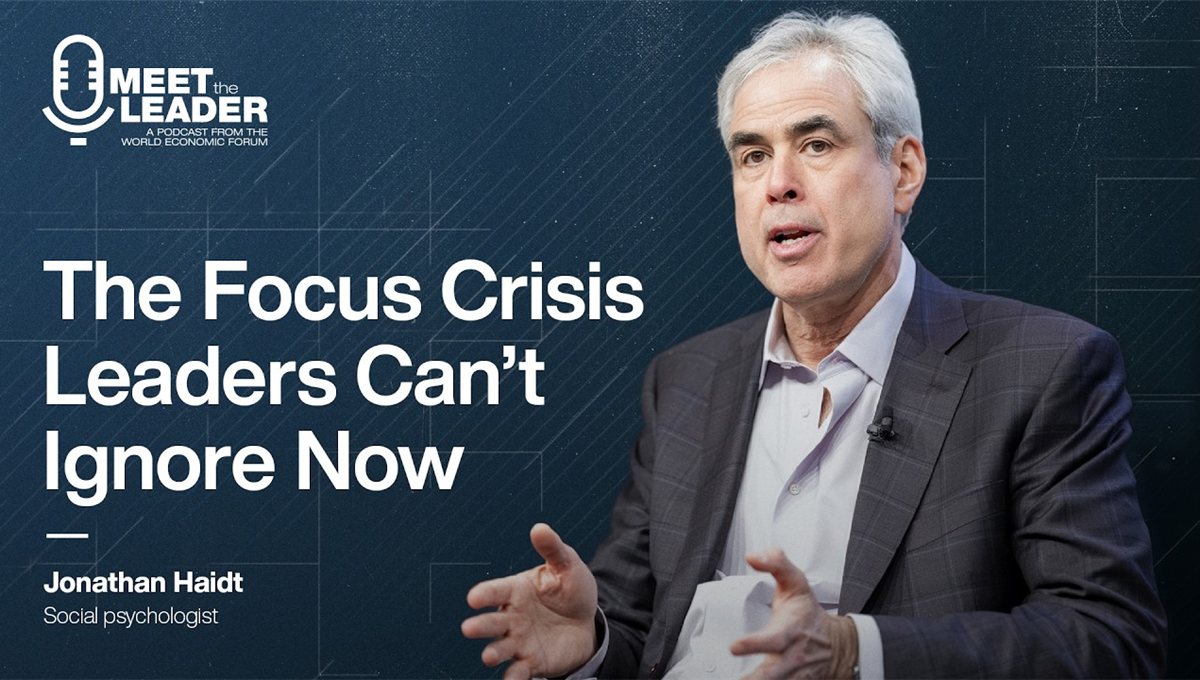
In a video interview for the World Economic Forum’s Meet the Leader series, recorded in Davos, the social psychologist Jonathan Haidt, author of The Anxious Generation, takes up a question most AI business cases leave out: if the technology frees people from rote work, will it also make them happier? His answer is not necessarily.
- Without deliberate choices, Haidt argues, technology and AI could move people further from meaning, connection and purpose, which is where happiness tends to come from.
- Progress on large problems depends on focus, trust and purpose. AI and social media may be weakening all three, which in his view makes deliberate leadership more important.
- He describes how AI and digital habits fragment attention and decision-making, and outlines practical ways for leaders to regain focus.
The perspective matters because AI business cases usually count the hours saved and say little about the attention of the people who get them back. If attention is the scarce input, rolling out AI also means planning for focus, in how work, meetings and messages are organised. The same question reaches the customer, for brands whose products either compete for attention or help people protect it. (World Economic Forum)
Into the weekend
A digestible curation of what currently has our attention, and what we make of it.

Very’s flamingos get some help from AI
The UK online retailer Very launched its Christmas campaign, That’s the Very Thing, on 1 November, as Retail Gazette reported. It is the retailer’s first ad to combine CGI with AI-assisted animation, made by the agency The Gate and the production company M3Labs. The 30-second film follows a young flamingo searching for his dream present, a character family Very introduced in 2023, and the company says recognition of its brand campaigns has doubled since then. In pre-launch testing with System1 the ad scored 5.9, Very’s highest score yet and in the top 1% of retail ads tested with its target audience. That is a different reception from the fully AI-generated Christmas ad that McDonald’s Netherlands took down last December after a backlash. Here AI extends characters people already liked, and the testing suggests that viewers responded to the flamingos rather than to the method. (Retail Gazette)
A Munich brewer mixes a spritz
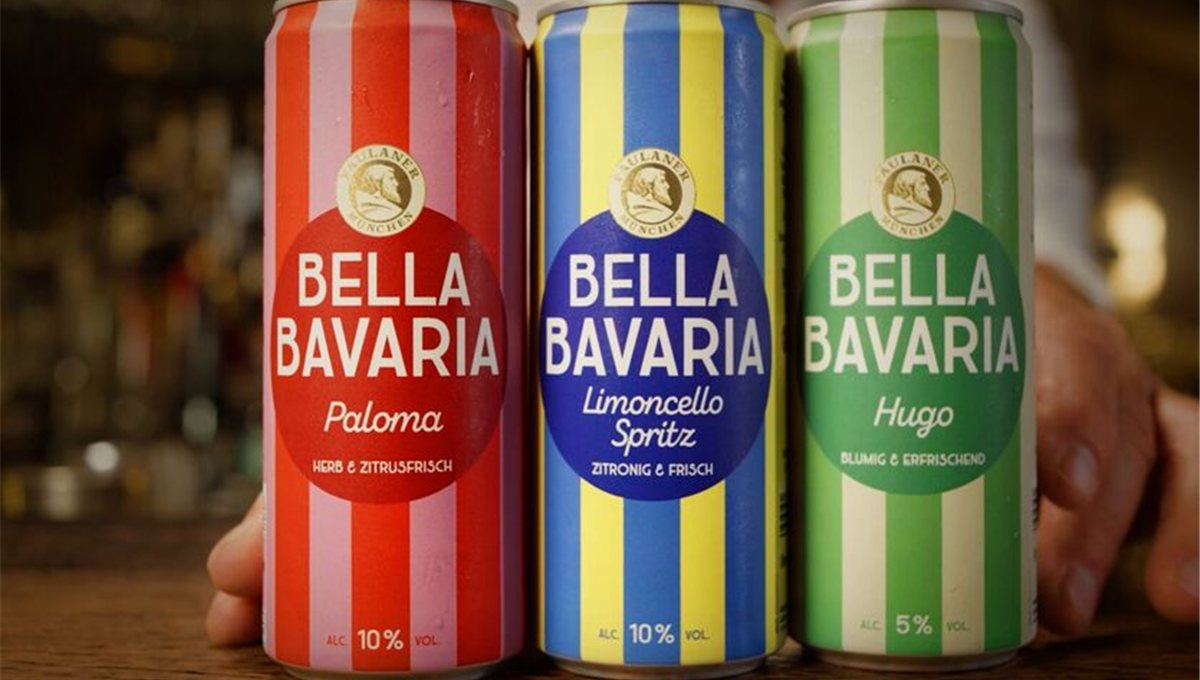
Paulaner is launching its first ready-to-drink cocktails, as the German trade title Lebensmittelpraxis reported on 20 October. Under the new brand Bella Bavaria, three drinks in 0.33-litre cans, Hugo, Limoncello Spritz and Paloma, are due in German grocery stores nationwide next March. The recipes were developed with bartenders and tested with consumers for more than a year, and the brand is meant to bring Munich origins together with Mediterranean aperitif culture. Paulaner points to growth of about 25% in Germany’s ready-to-drink segment, while German beer sales have fallen almost every year since 2015. Managing director Jörg Biebernick describes the move as a deliberate step beyond the brewery’s traditional core business, with beer remaining its DNA. The brand carries Bavaria in its name and builds its story on Munich origins, in a category Paulaner has never sold. (Lebensmittelpraxis)
In a Munich hospital, the robots take the lift
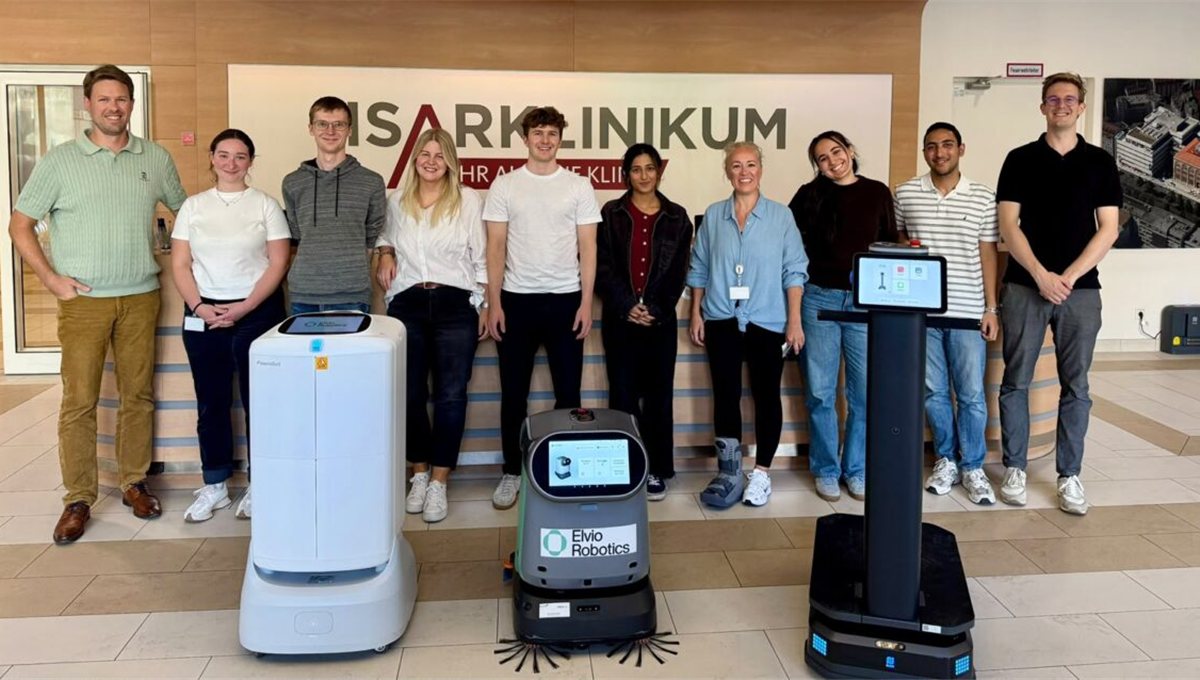
At Isar Klinikum in Munich, robots from three different manufacturers now clean floors, carry small items and move containers, and ride the lifts between floors on their own, as Munich Startup reported on 19 October. They are coordinated by software from Elvio Robotics, founded in February 2026 by Marco Brizzolara and Johannes Drexler, which has closed a funding round in the millions of euros led by Revent. The amount was not disclosed. Among the more than 20 business angels is Christian Albrecht, chief executive of the Munich hospital software company Avelios. The hospital has worked with robots for about two years. Revent’s Otto Birnbaum says the greatest value comes from building robots into hospital workflows, and Drexler says the individual systems work and now need to mesh. No figures on hours or costs saved have been published yet. The value sits in the layer between machines from different makers, because a hospital is unlikely to buy all its robots from one supplier. (Munich Startup)
More insights
23 October 2026Newsletter
Edition 07: gaming is bigger than its category
Our new whitepaper on why gaming is bigger than its category, Whole Foods names the food trends for 2027, and a Munich robot maker passes $1bn.
13 min read
23 October 2026Whitepaper
The Gaming Growth Layer
Gaming has become one of the largest digital behaviours in society. Most brands outside the industry still treat it as a niche.
1 min read
Don’t want to miss what comes next?
Bloom Bites brings the thinking behind our work to your inbox, usually before it turns into an article. One mail, no noise, unsubscribe in a click.